
Merlin Kinneir Tarte’s Effects
Retrieved from the Field

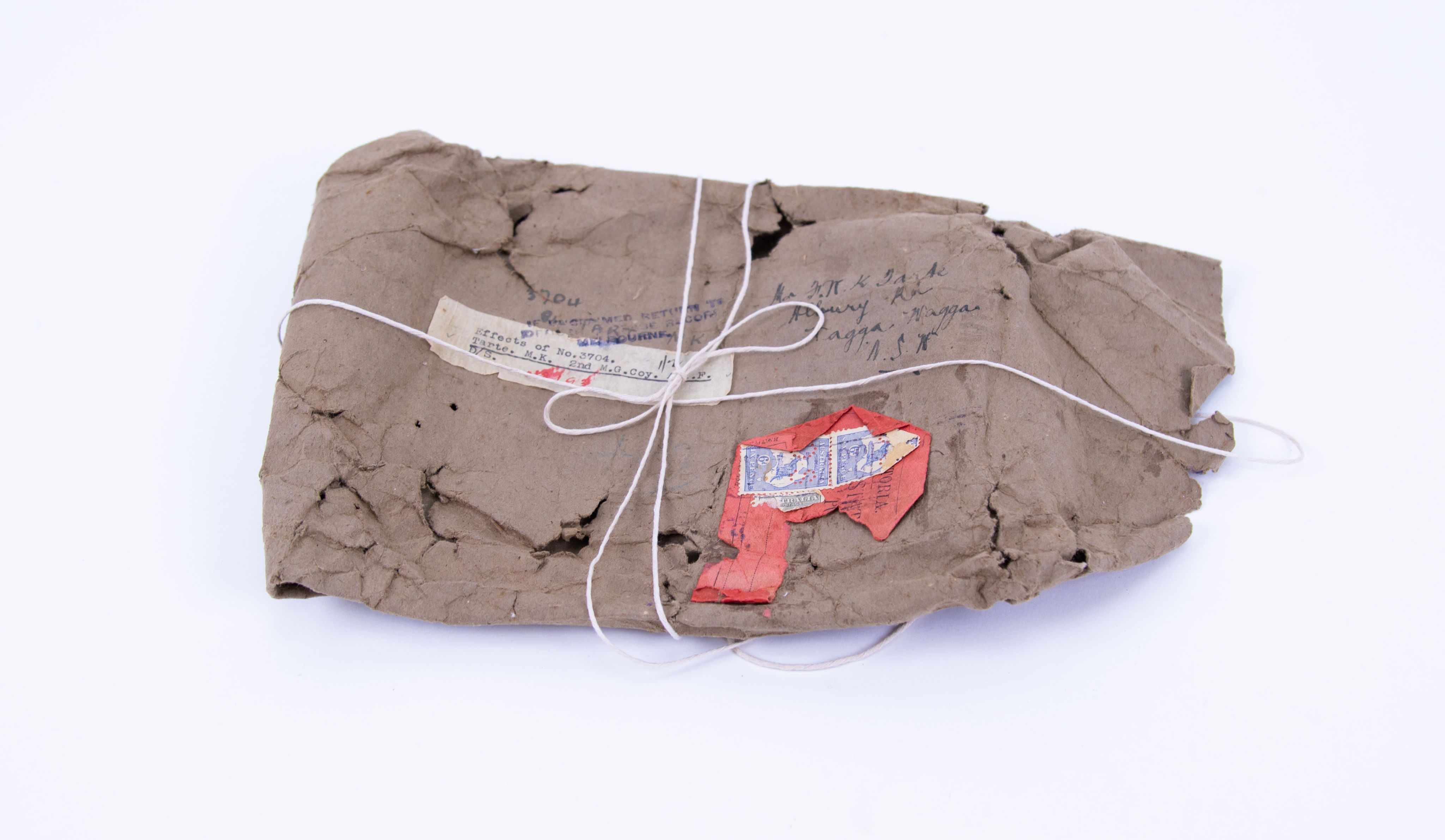




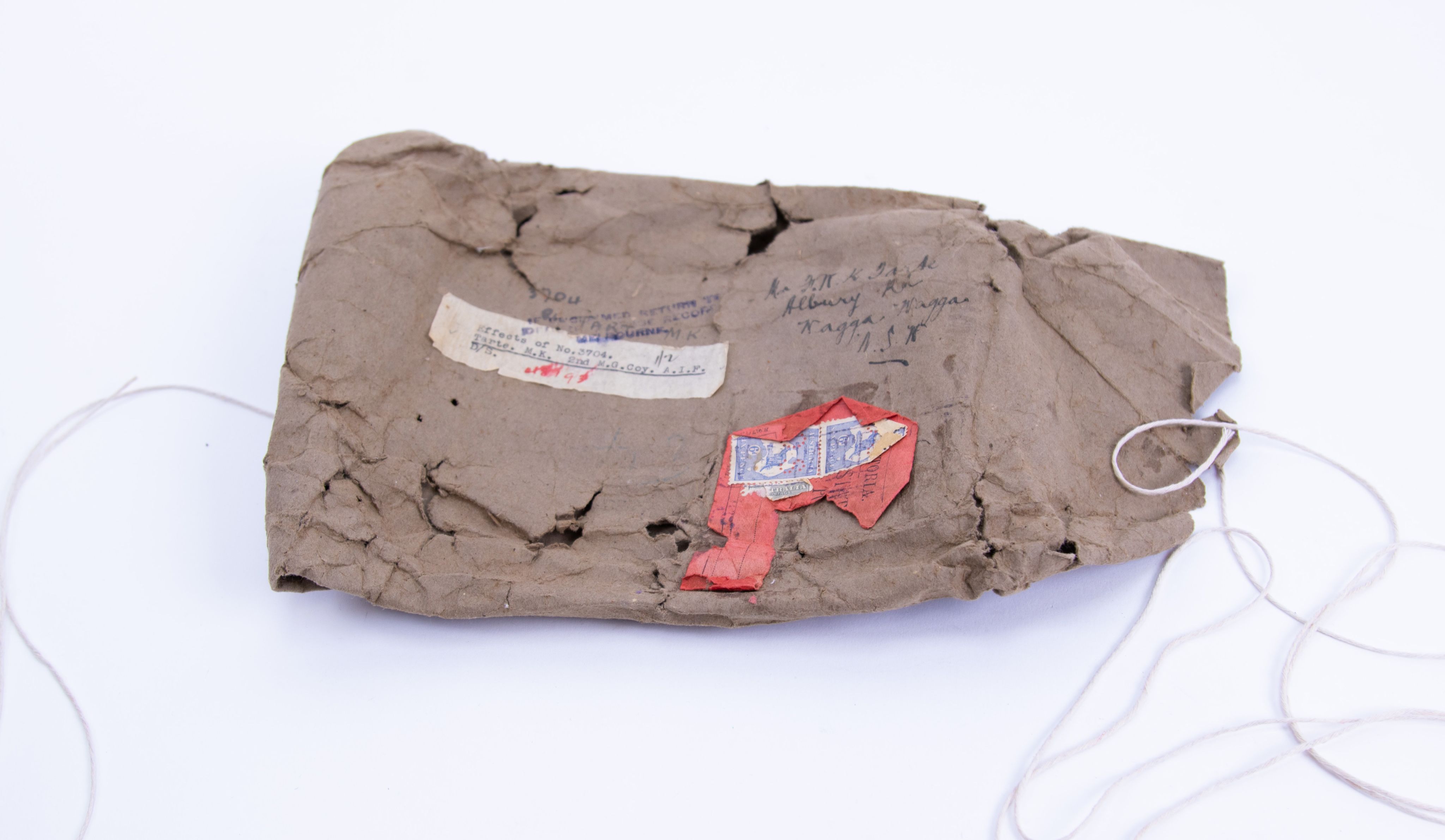


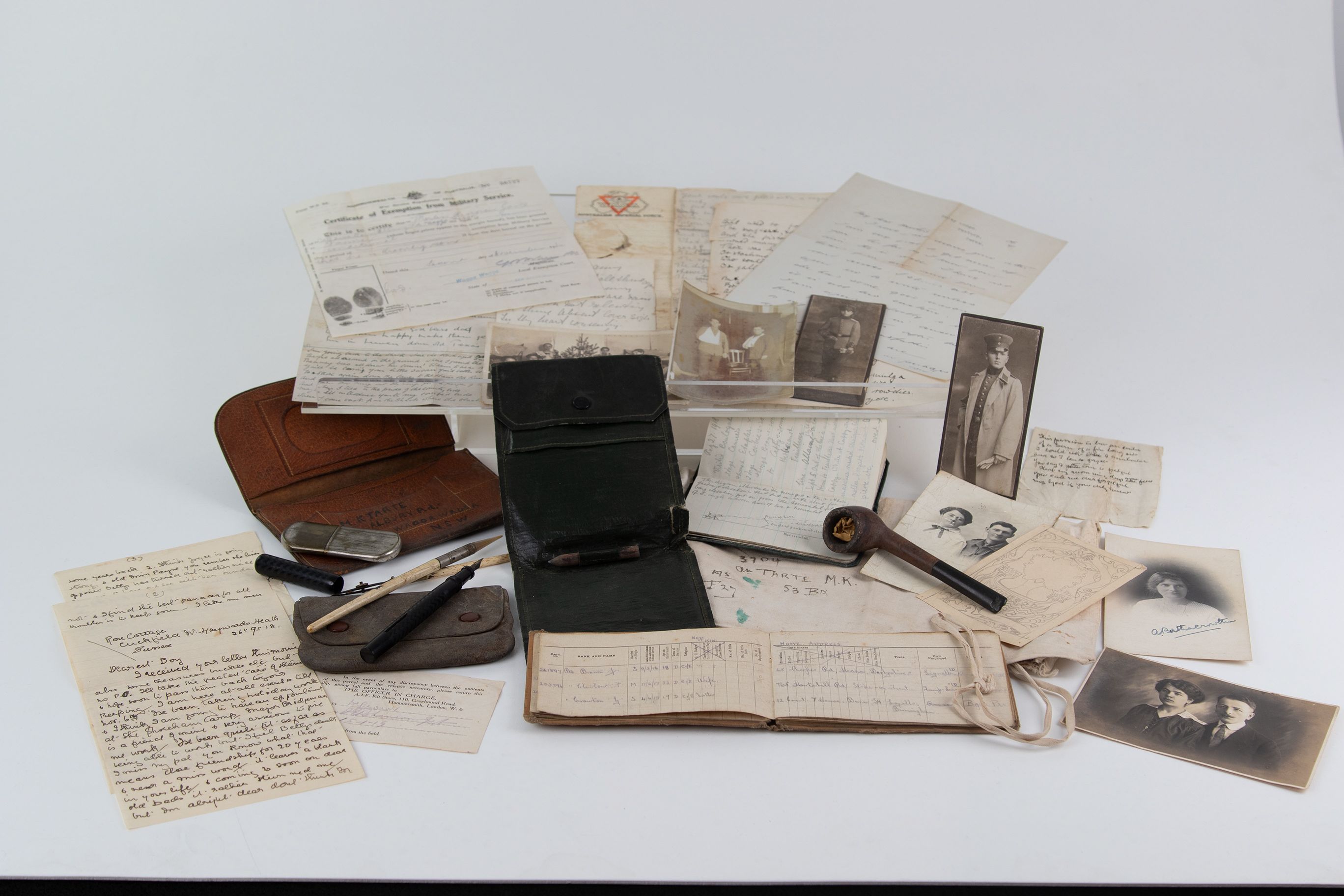

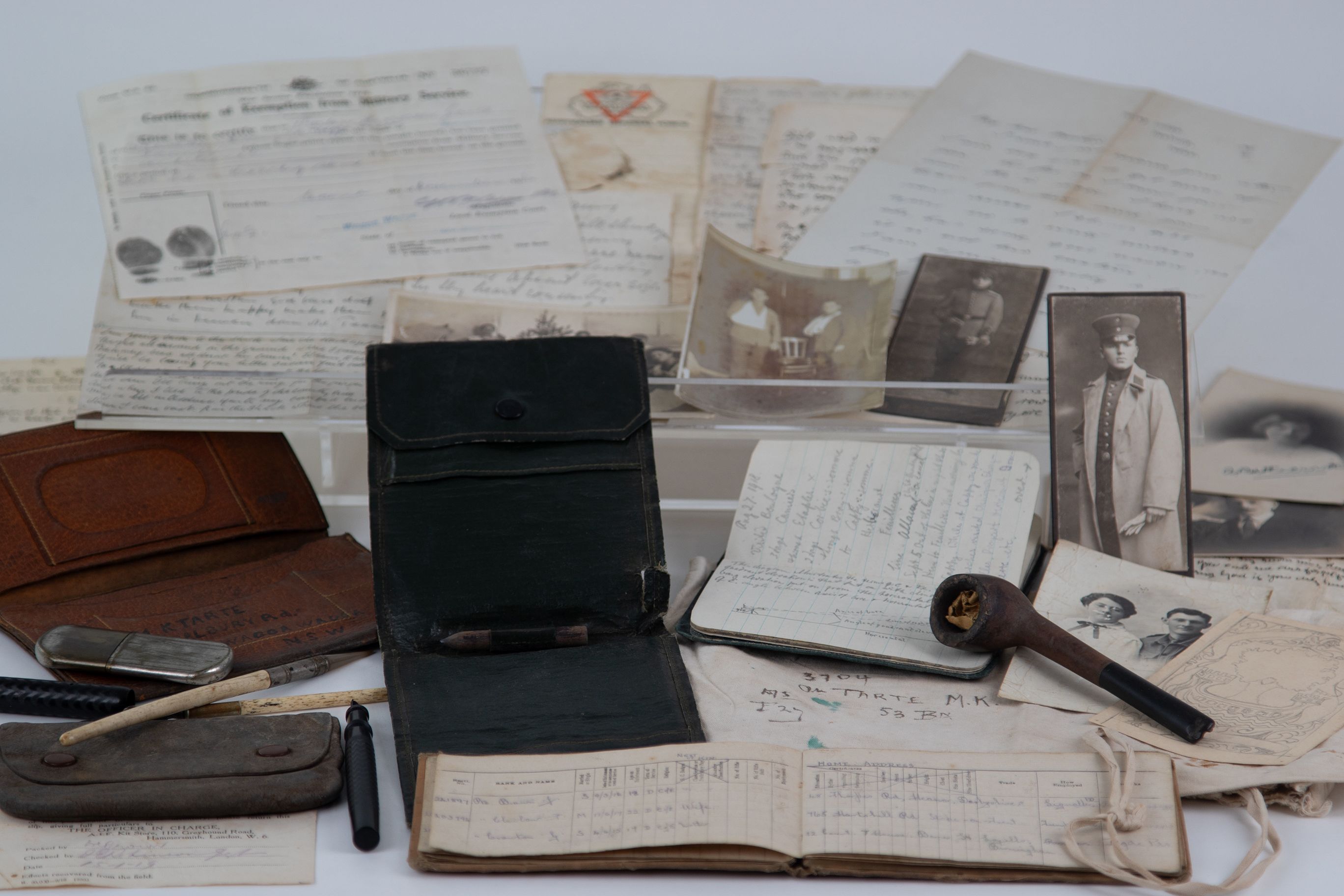
This is a collection of a life interrupted.
Merlin's effects retrieved from the field are a highly unusual discovery in the modern age. Not only for how intact the collection and wrapping is, but that they give us a vivid snapshot of the on the ground experience of a soldier participating in a major battle.
With these relics, we meet a young man who is taking the opportunity to see and experience the world by visiting towns and cathedrals as he marches. In his writing, he contemplates the war and it's meaning with a combination of humour and gravity, all while remembering the life in Australia that he longs to return to. He has even saved a measure of tobacco to smoke after the fighting is done.
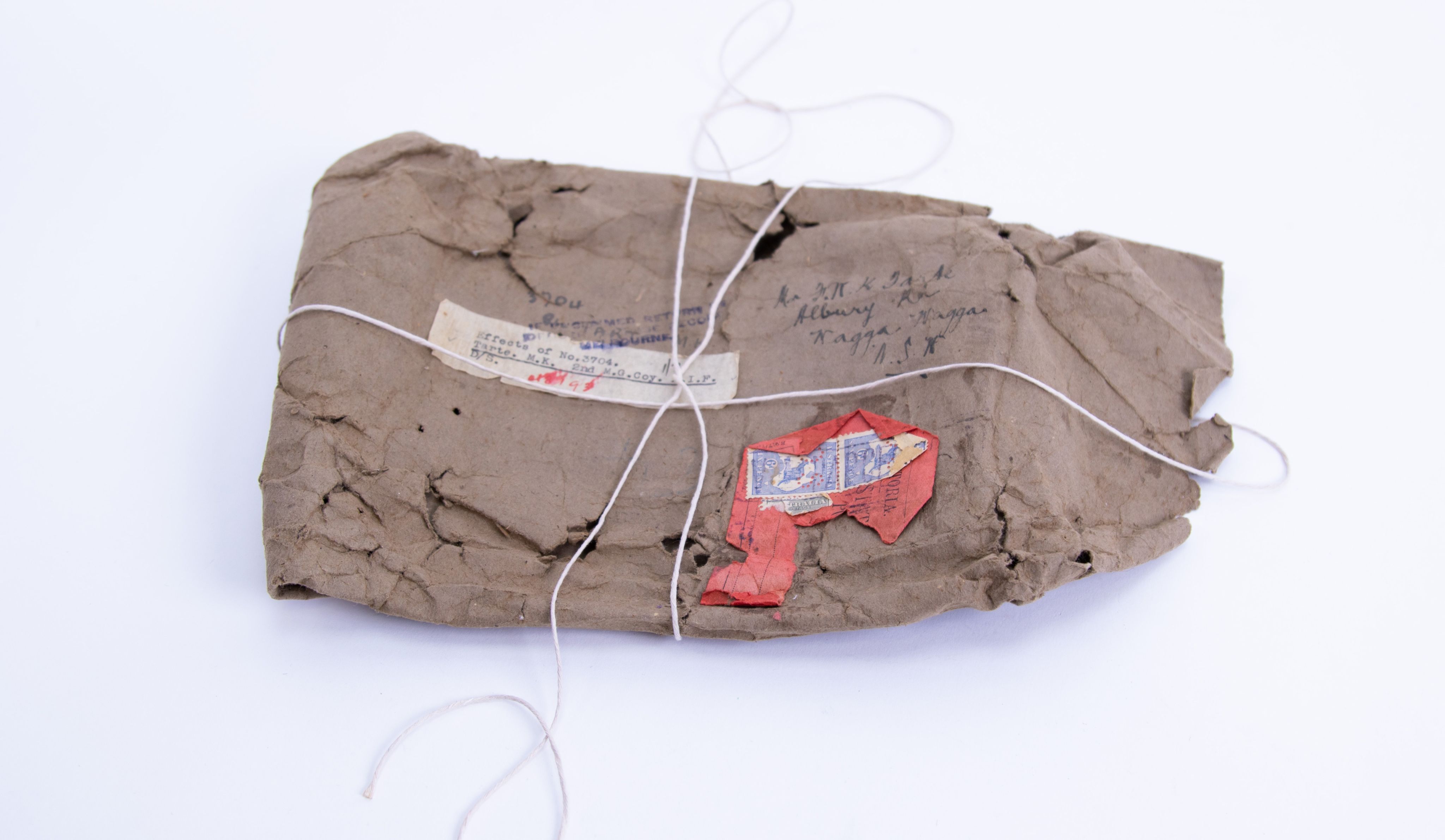
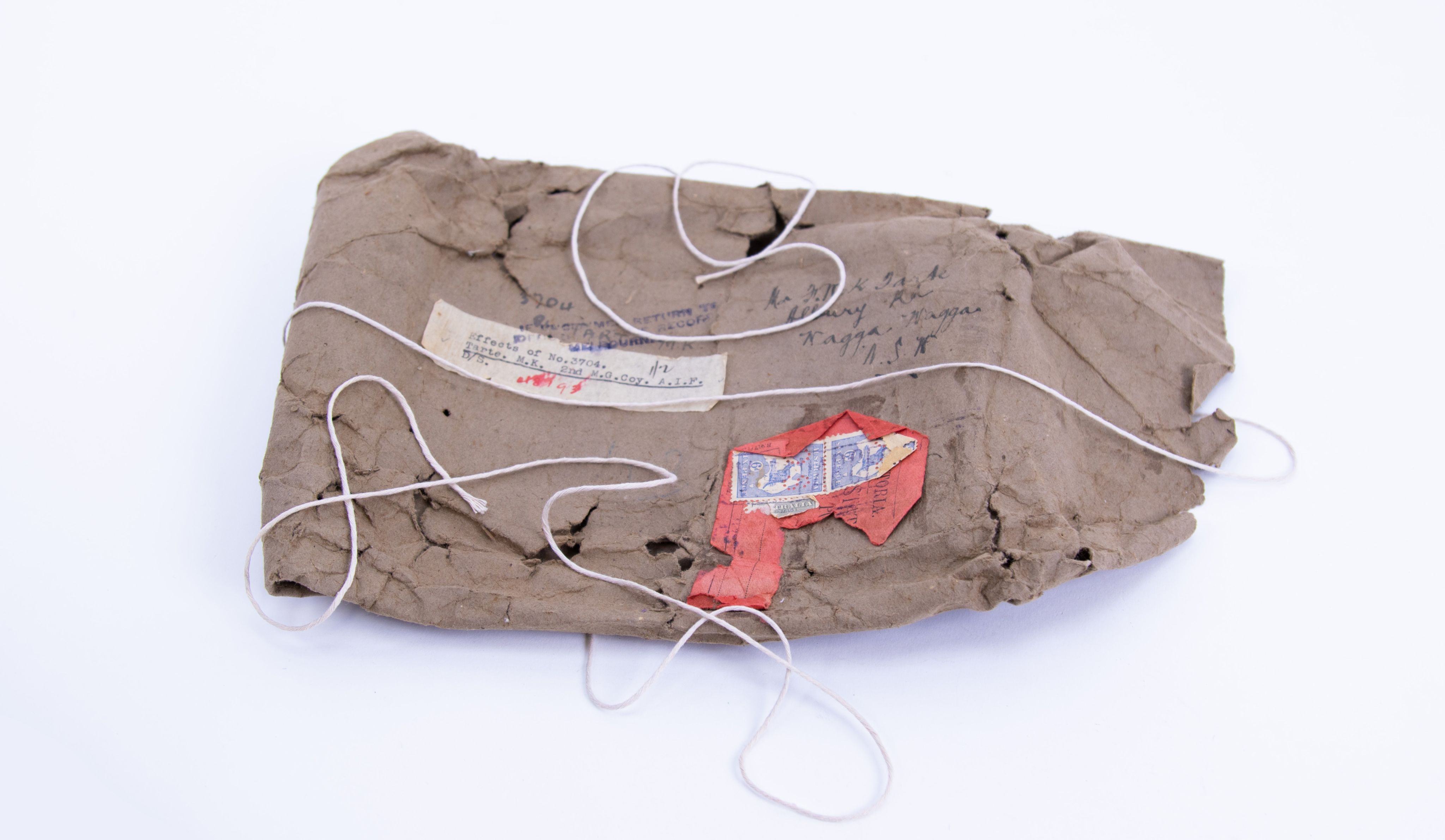
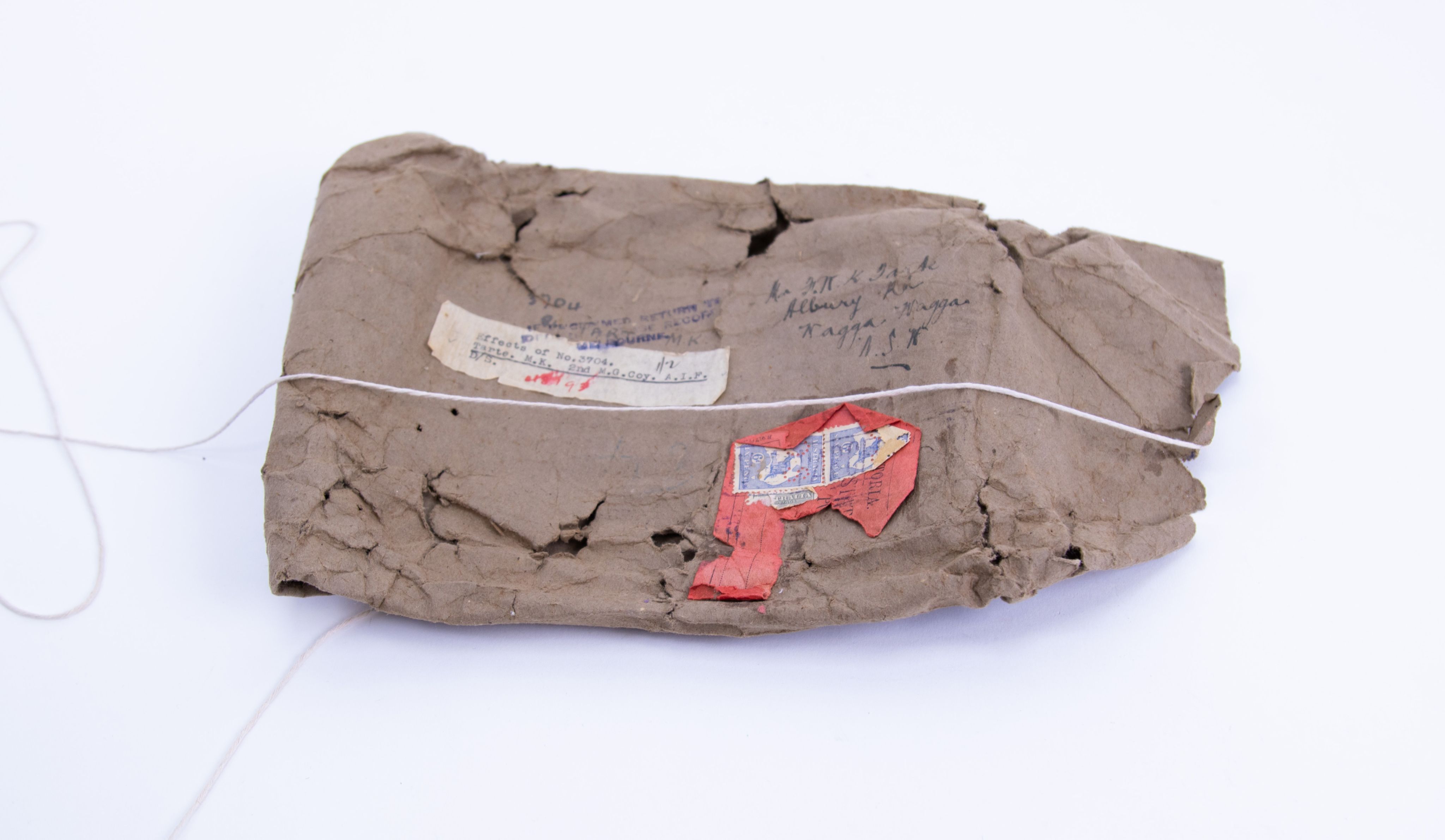
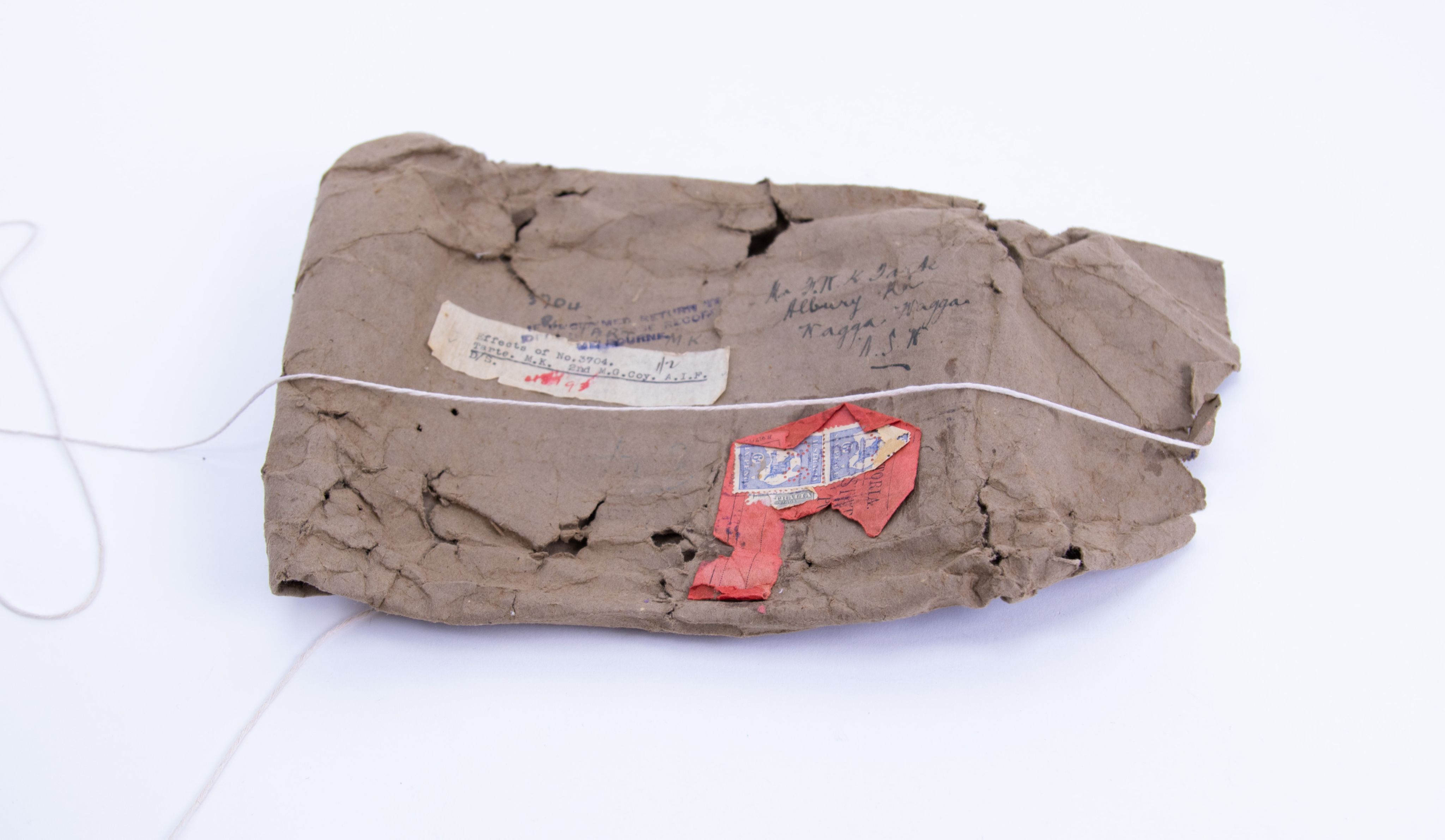
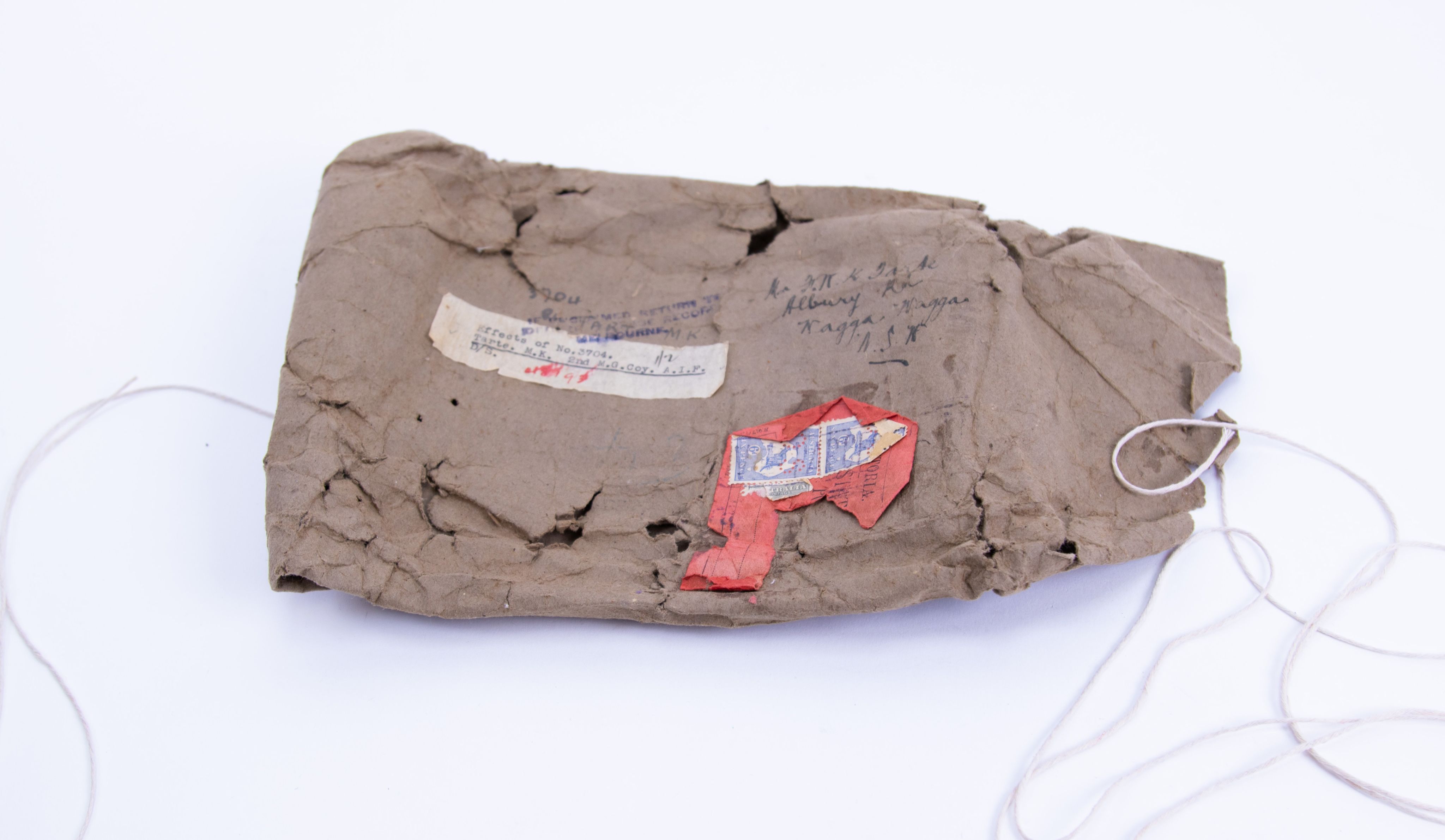
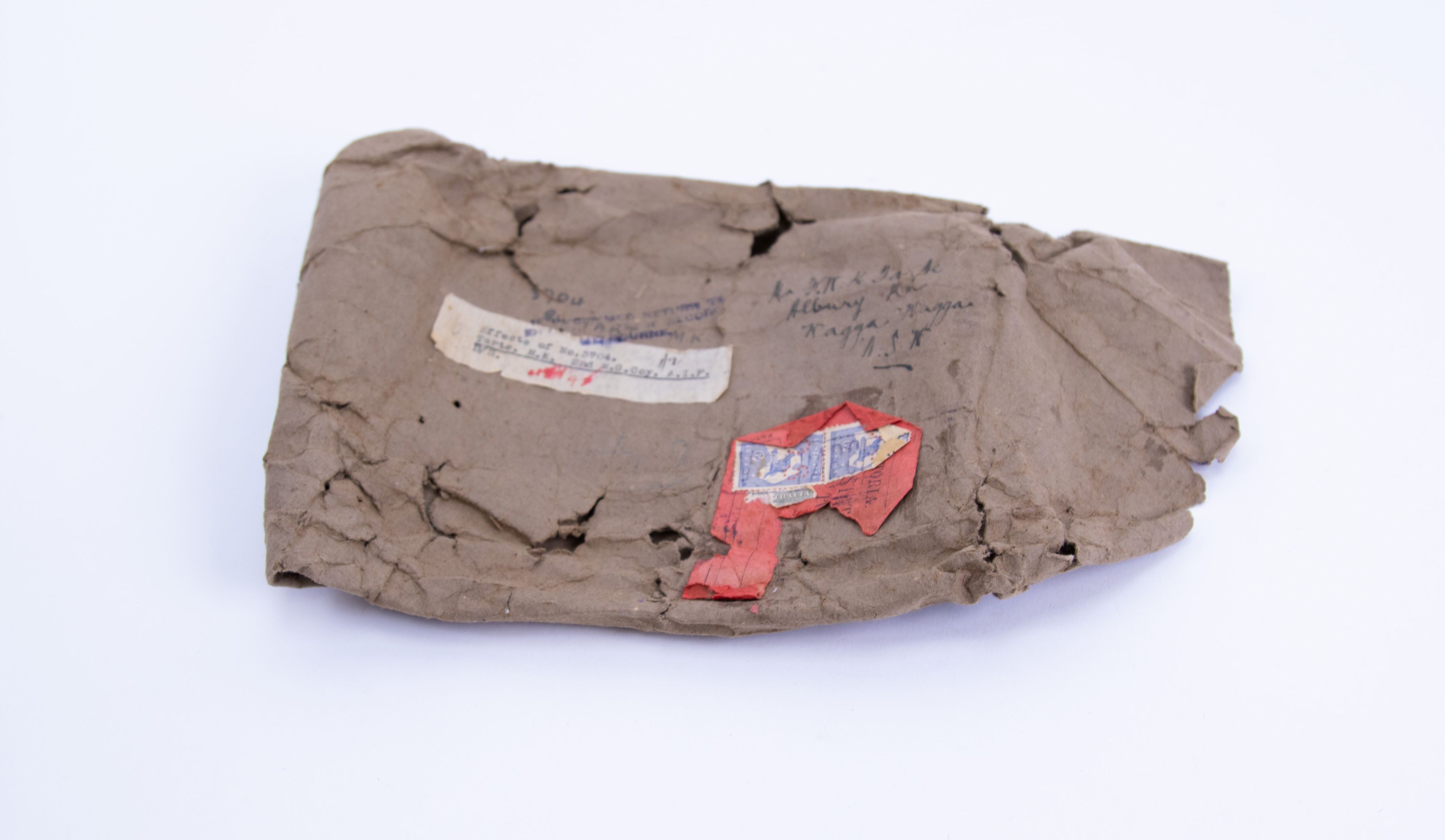
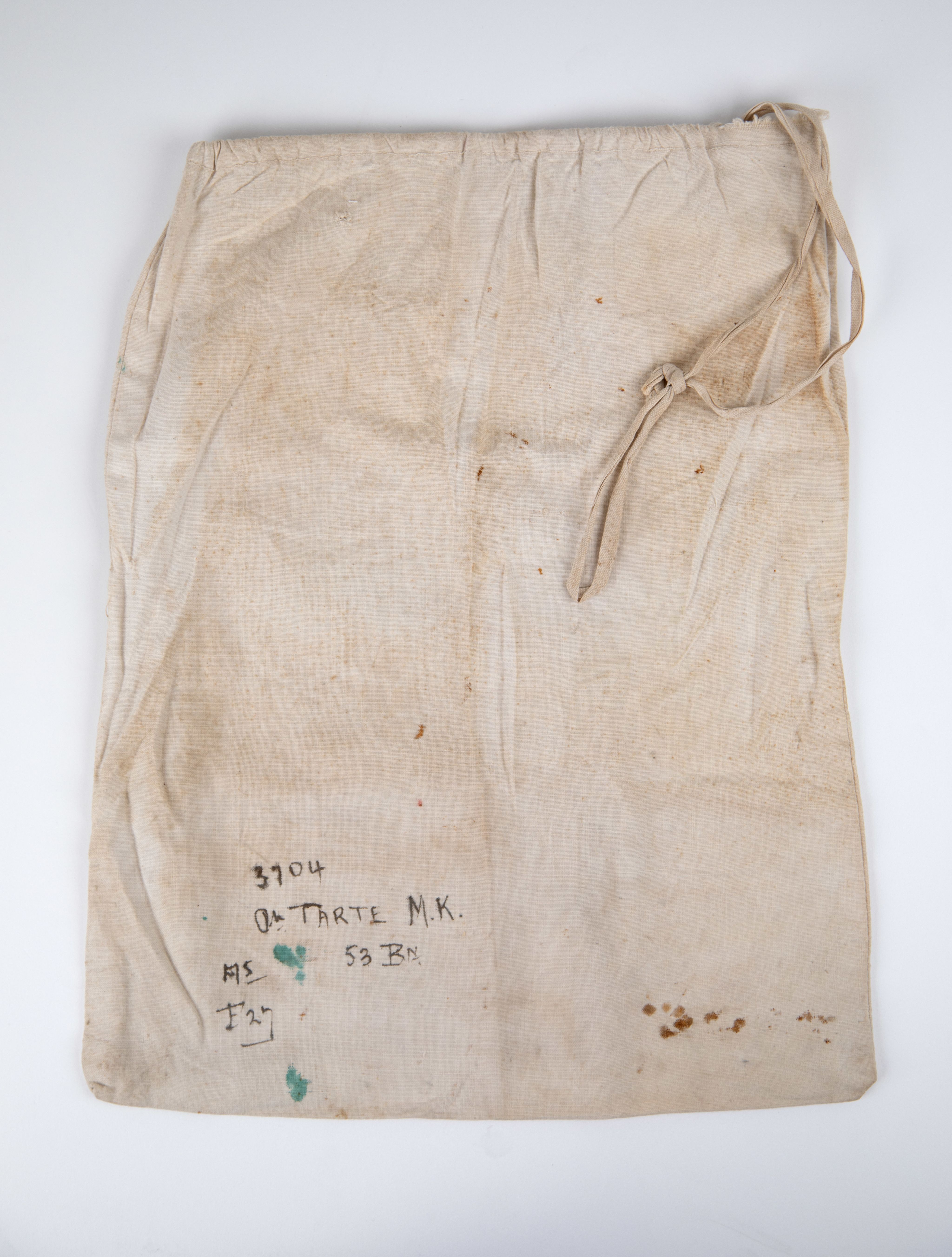
Canvas bag sent by the Army Records Unit
At the outbreak of the war, the Army Records Unit was established in Melbourne to manage the administrative paperwork of Australians at war. All correspondence connected to a service person was processed by the unit, both that connected to their military service and any correspondence with families. The unit sent telegrams to the next of kin when a service person was wounded, if they were missing or if they died.
After the war, the unit handled communication about a soldier’s return to Australia, provided information about gravesites (if there was one) to next of kin, sent honours and awards, and handled the delivery of the kings scroll and medallion (also known as a dead man's penny). The unit also managed the delivery of effects retrieved from the field to the next of kin.
When Merlin died, someone working in the hospital would have been responsible for packing his personal belongings into this bag for return to his next of kin, who for Merlin was his father, Frederick. His name, service number and unit were written on the bag to help with identification. It took months for parcels to be received by grieving families. This one was received by Frederick in July 1919.
A receipt was also sent with the parcel. It included the name of the person who packed Merlin’s belongings. The family were sent a separate letter listing the items that were being returned so that they could be cross-checked, and the unit contacted if there were any discrepancies.


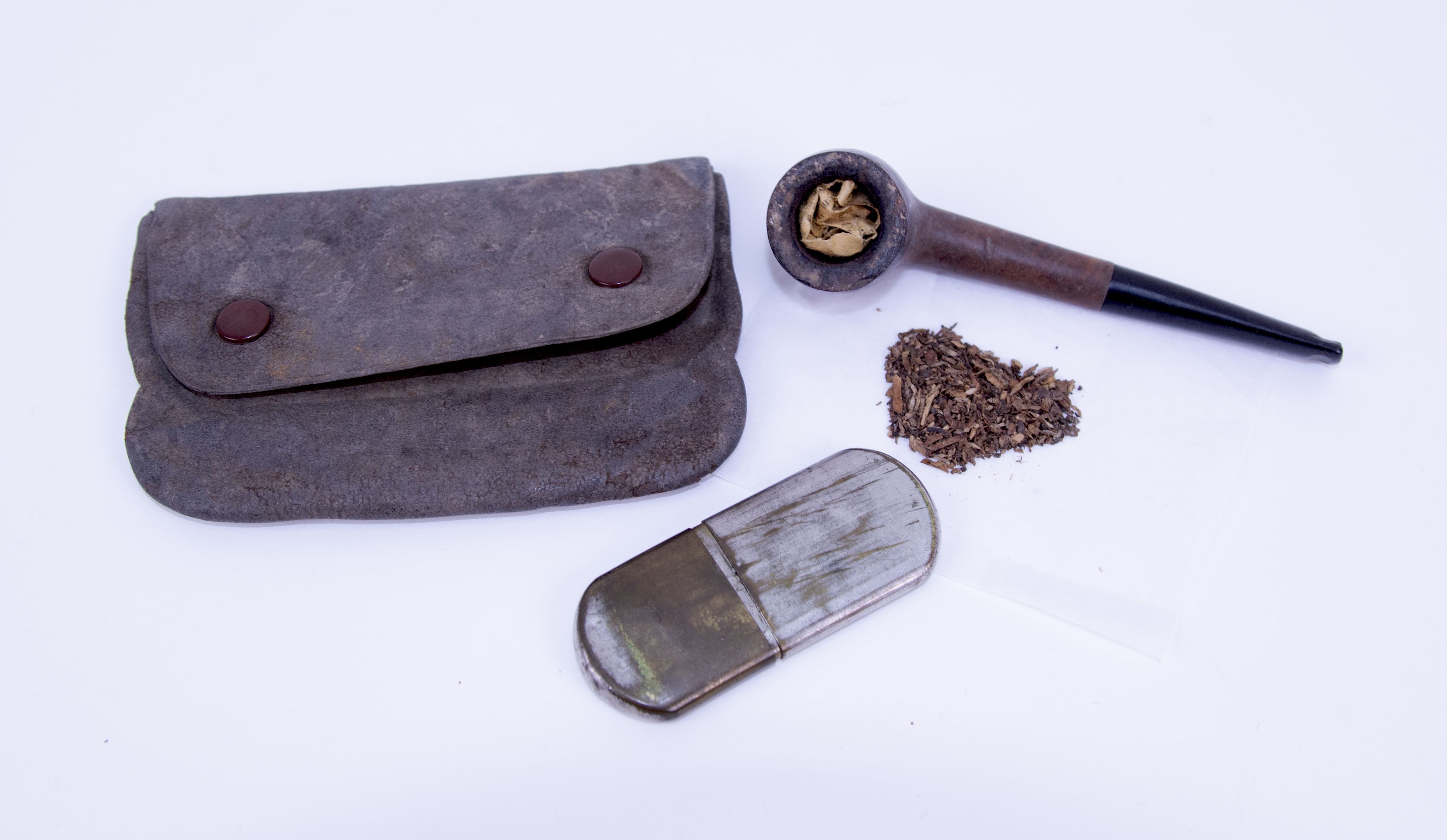
Princess Mary Fund pipe, tobacco pouch, tobacco and trench lighter
In 1914, Princess Mary established the Sailors & Soldiers Christmas Fund to distribute a small gift to everyone in uniform. Delivered in a brass box, the gift contained a pipe, an ounce of tobacco, cigarettes, and a tinder lighter (different from the lighter pictured here).
This pipe is a distinct style used for the Princess Mary Christmas boxes. We don’t know how it came into Merlin’s possession, as he had not enlisted in 1914.
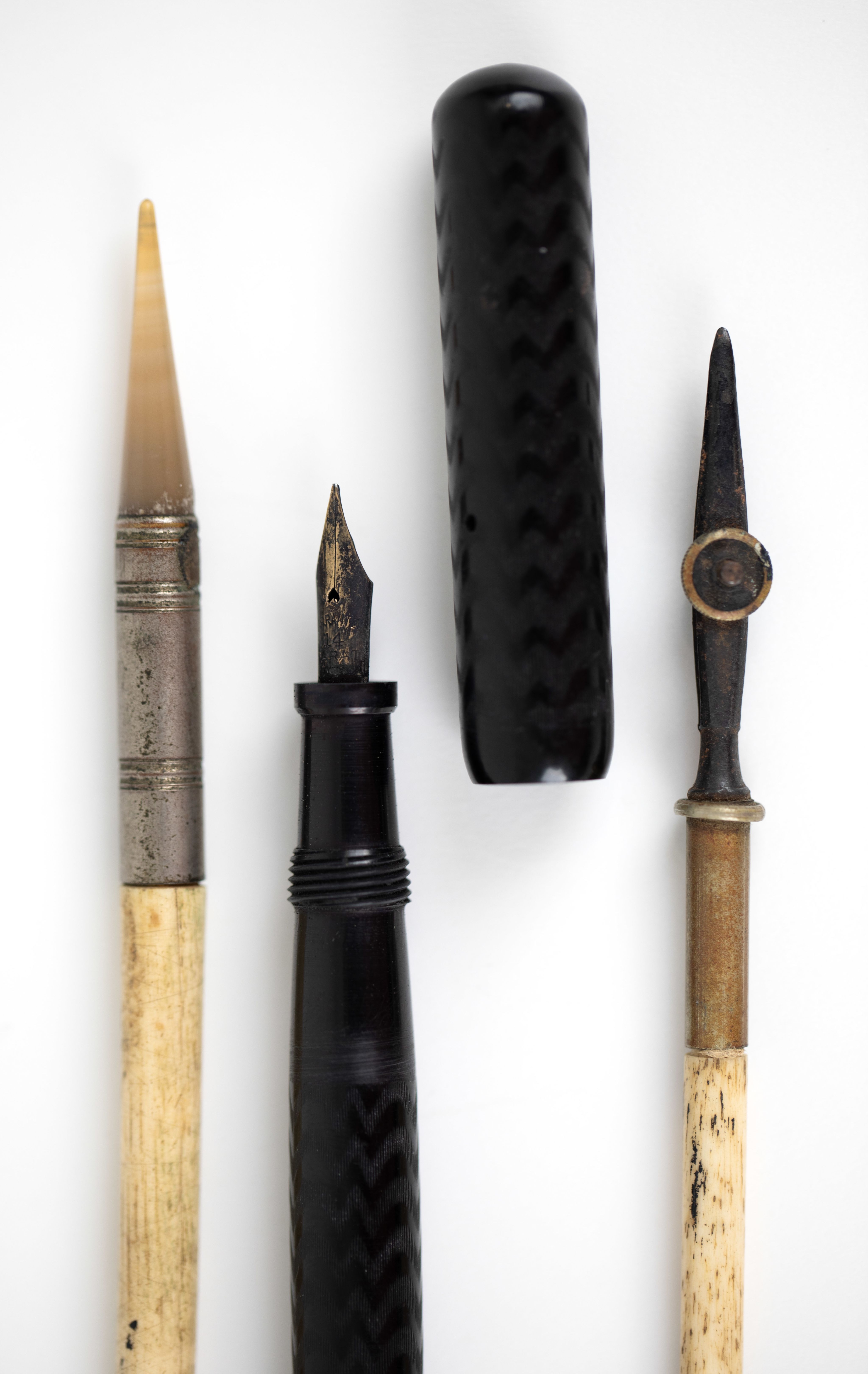
Architects drawing tools
Ruling pen or dip pen, screw top fountain pen and stylus
Rule pens were used by architects to draw crisp lines. With a rule pen, it is easier to change ink colours and adjust pen width.
Screw top fountain pens, also called portable pens, allowed ink to be stored in the pen channel for longer writing time and ease of use.
A stylus was used to indent paper or sometimes to scratch away ink as a type of eraser.
A small inkpot was kept by the family.

YMCA Wallet

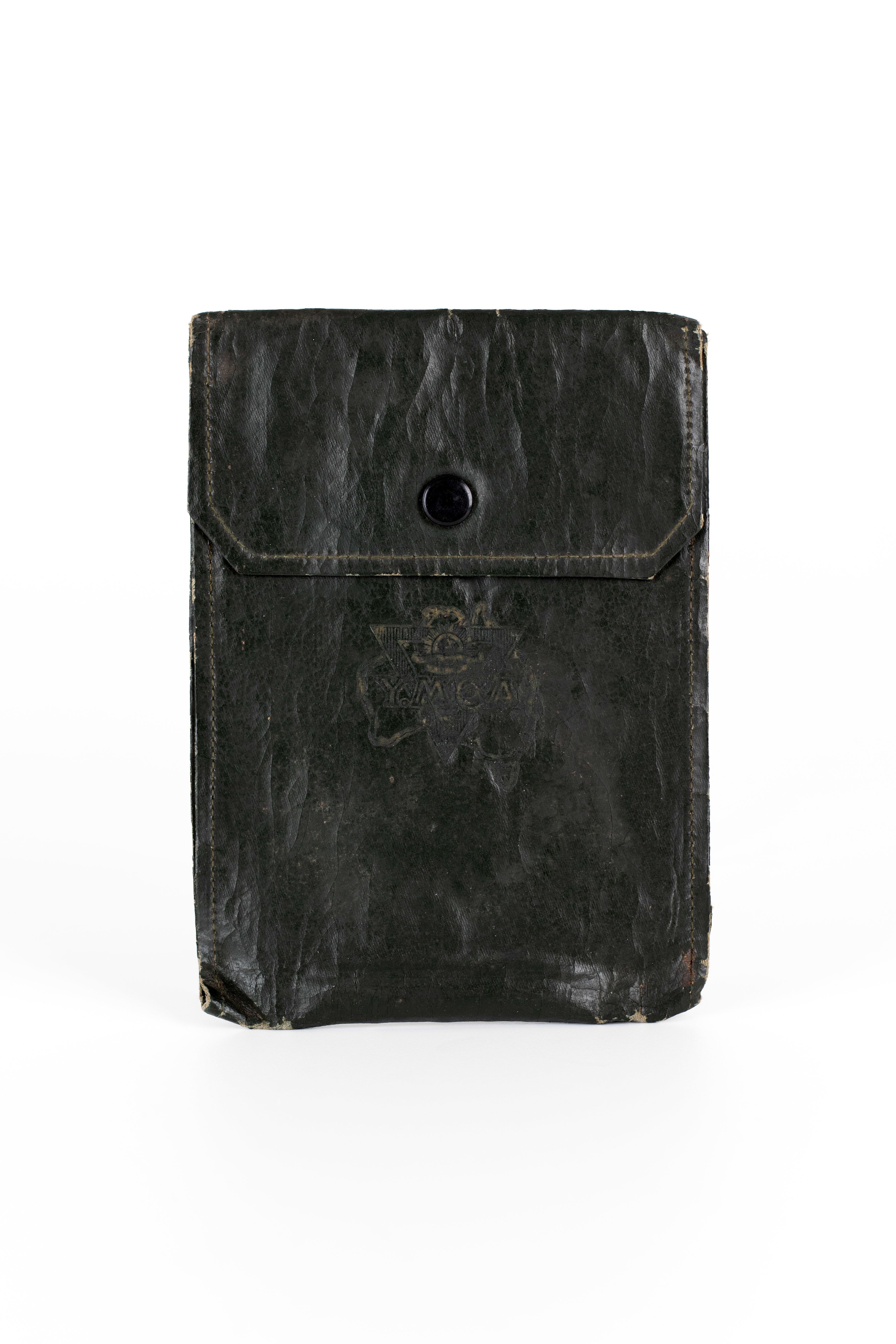
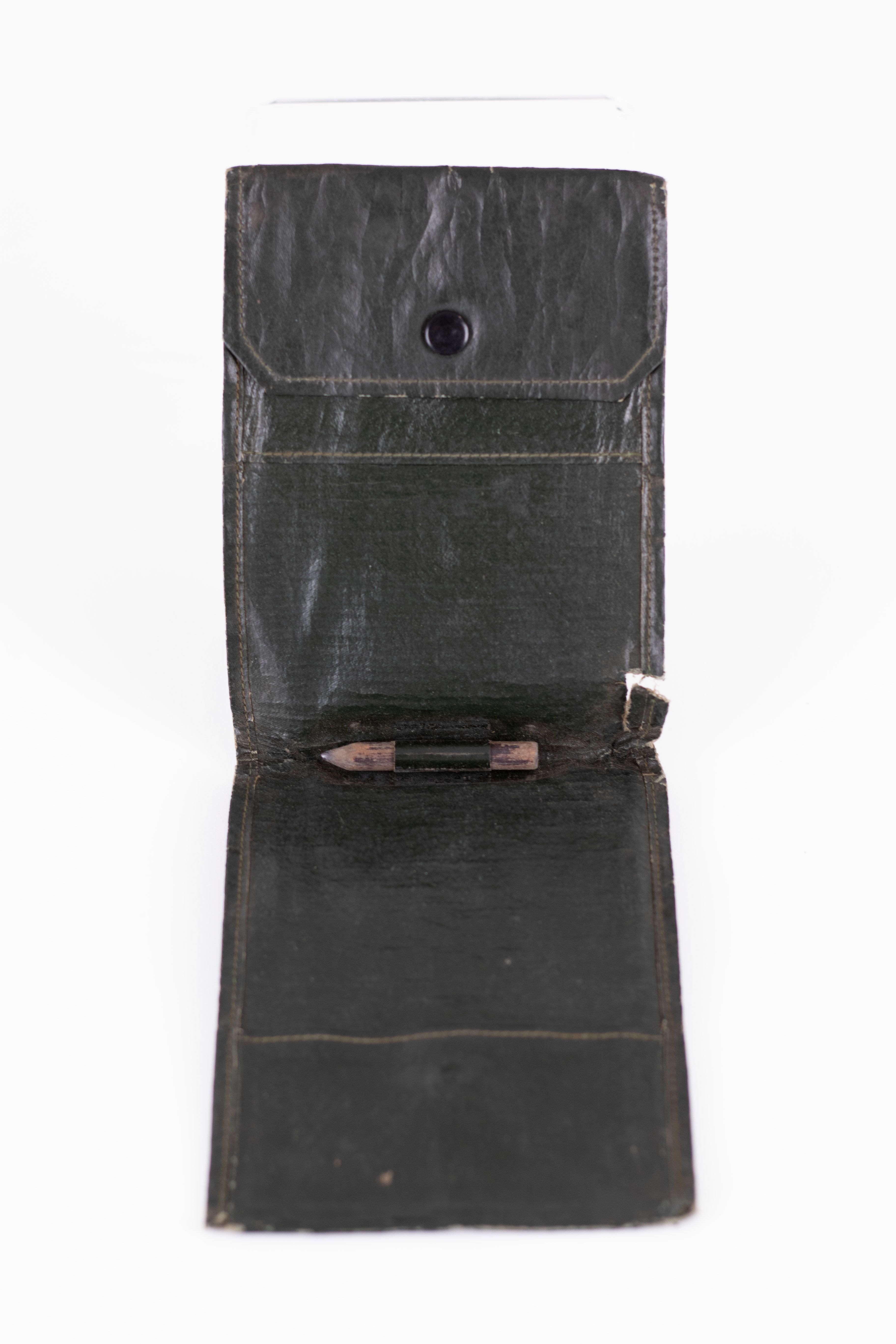
The Young Men’s Christian Association operated thousands of hostels, entertainment halls, canteens, and support services to troops during the war. They also built small huts and kiosks near the front-line trenches. They provided letter paper, notebooks, and pencils to troops.
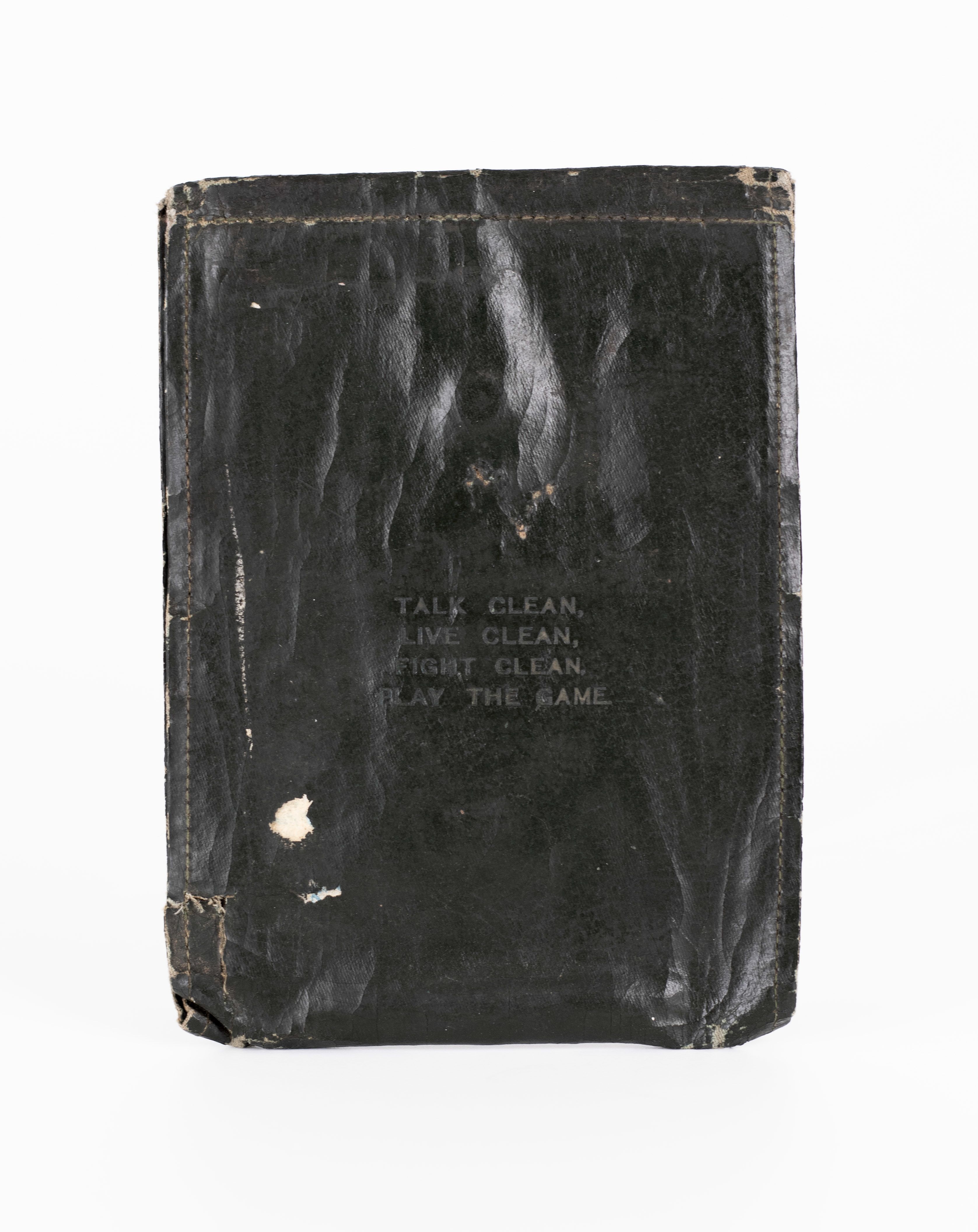
This notebook pouch with short pencil has been stamped with the YMCA motto: Talk Clean, Live Clean, Fight Clean, Play the Game.

German photographs and postcards
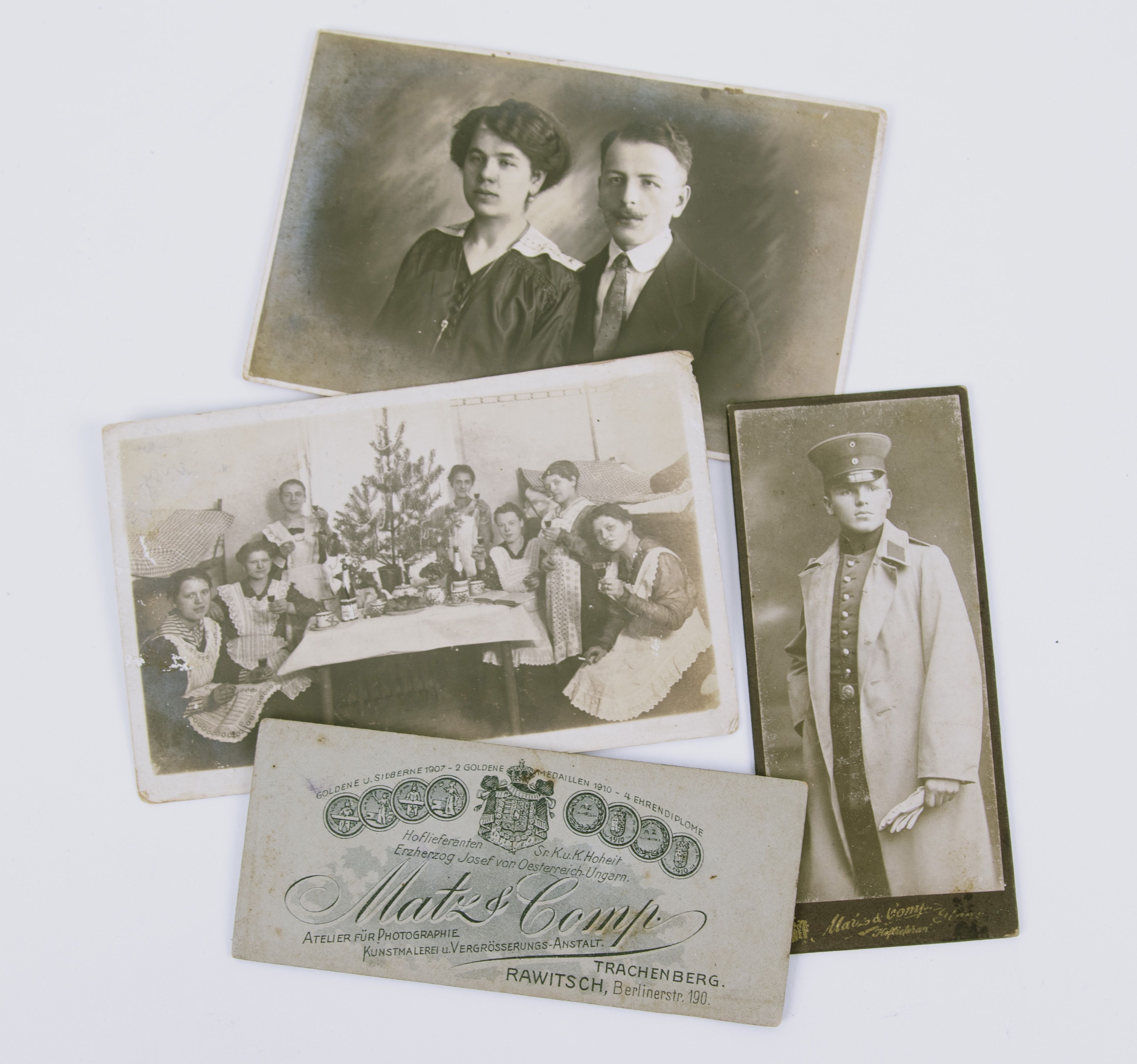
‘Souveniring’ keepsakes from the dead was a common practise carried out by both sides during the war. Bodies were searched for documents, to claim supplies like cigarettes or hand weapons, but also to collect tokens and keepsakes from the enemy. Some of these would be kept by the soldier, some posted home but many were thrown away when they became too difficult to carry.
Souveniring created a distance between the living and the dead. It stripped the dead of their identity and humanity, which perhaps made all the destruction and killing easier for soldiers to endure. The act of souveniring or looting also reaffirmed for many soldiers that they were still alive—for now.
These cards and photographs were likely souvenired during the Battle of St Quinten’s Canal. The backs are printed with the branding of German photography businesses. There are no other notes or information attached to them, so it is impossible for us to trace who is in the pictures.

Diary
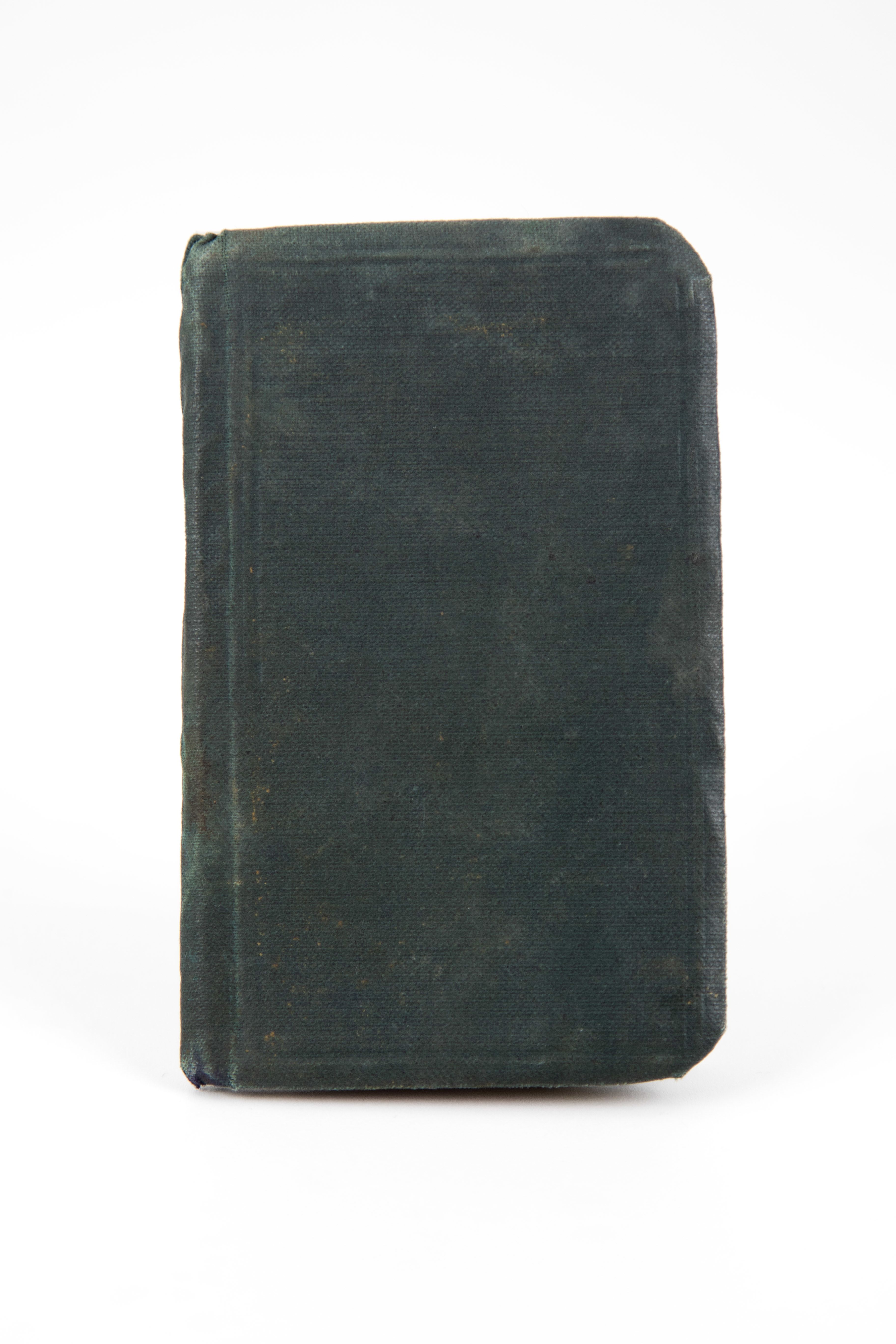
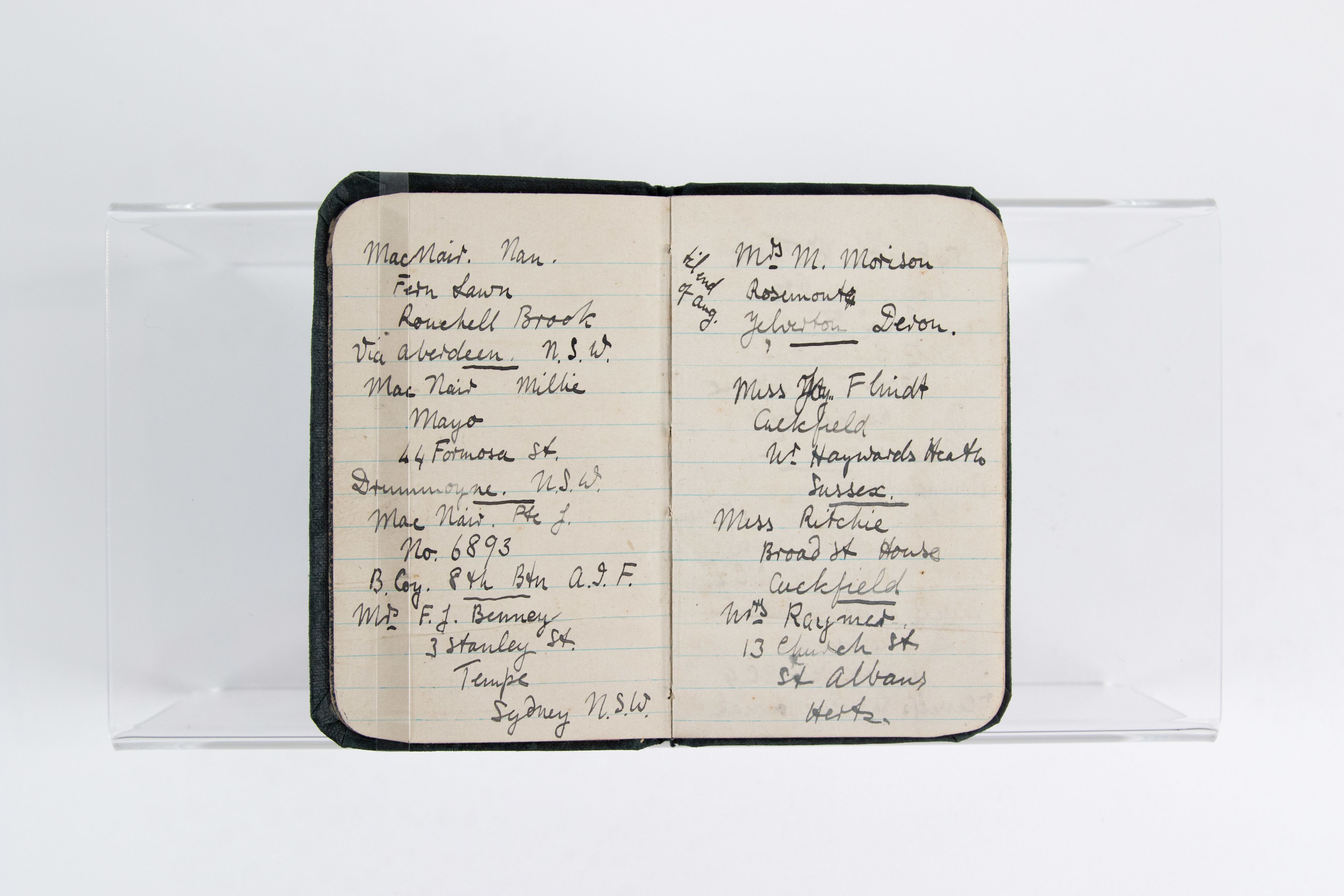
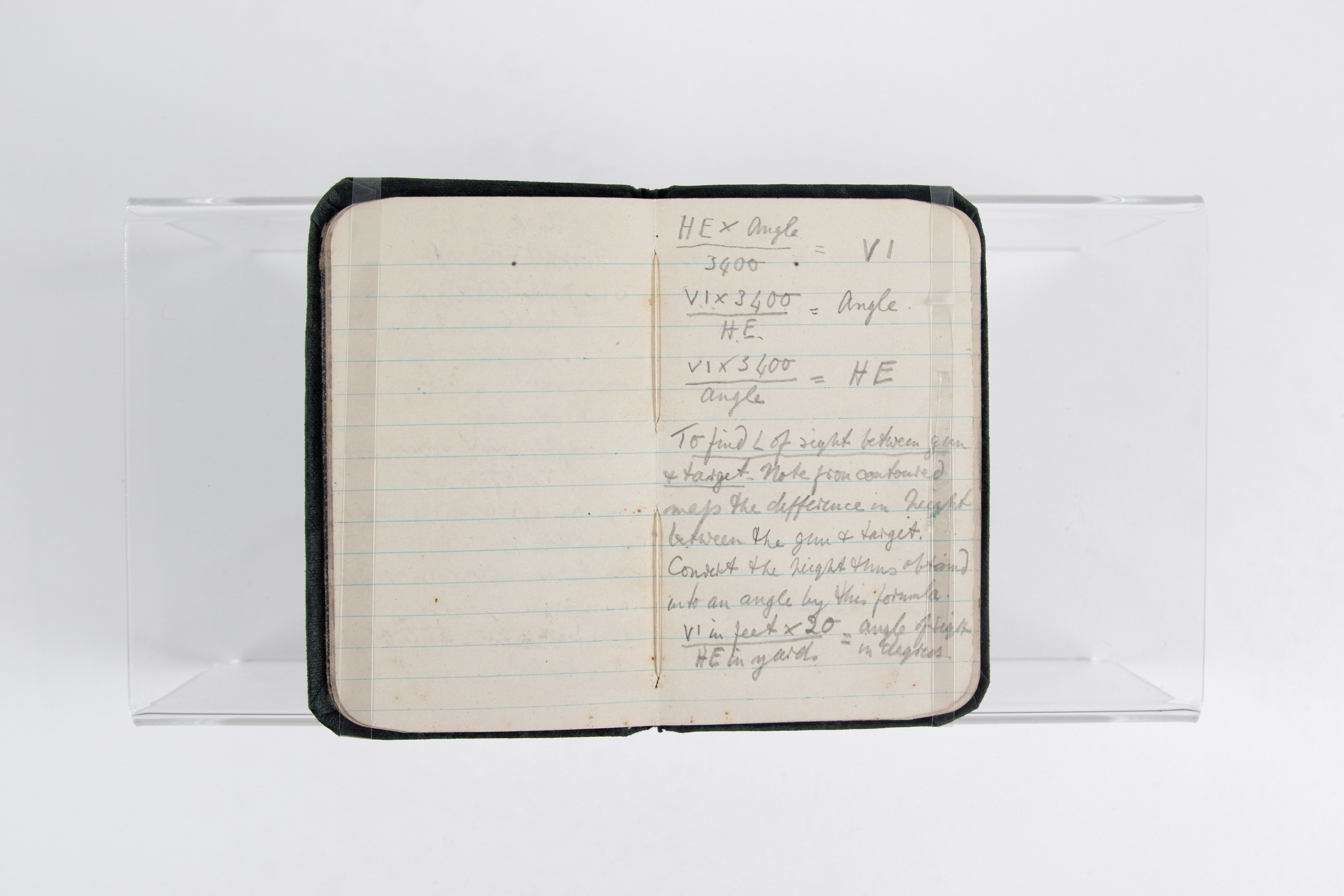
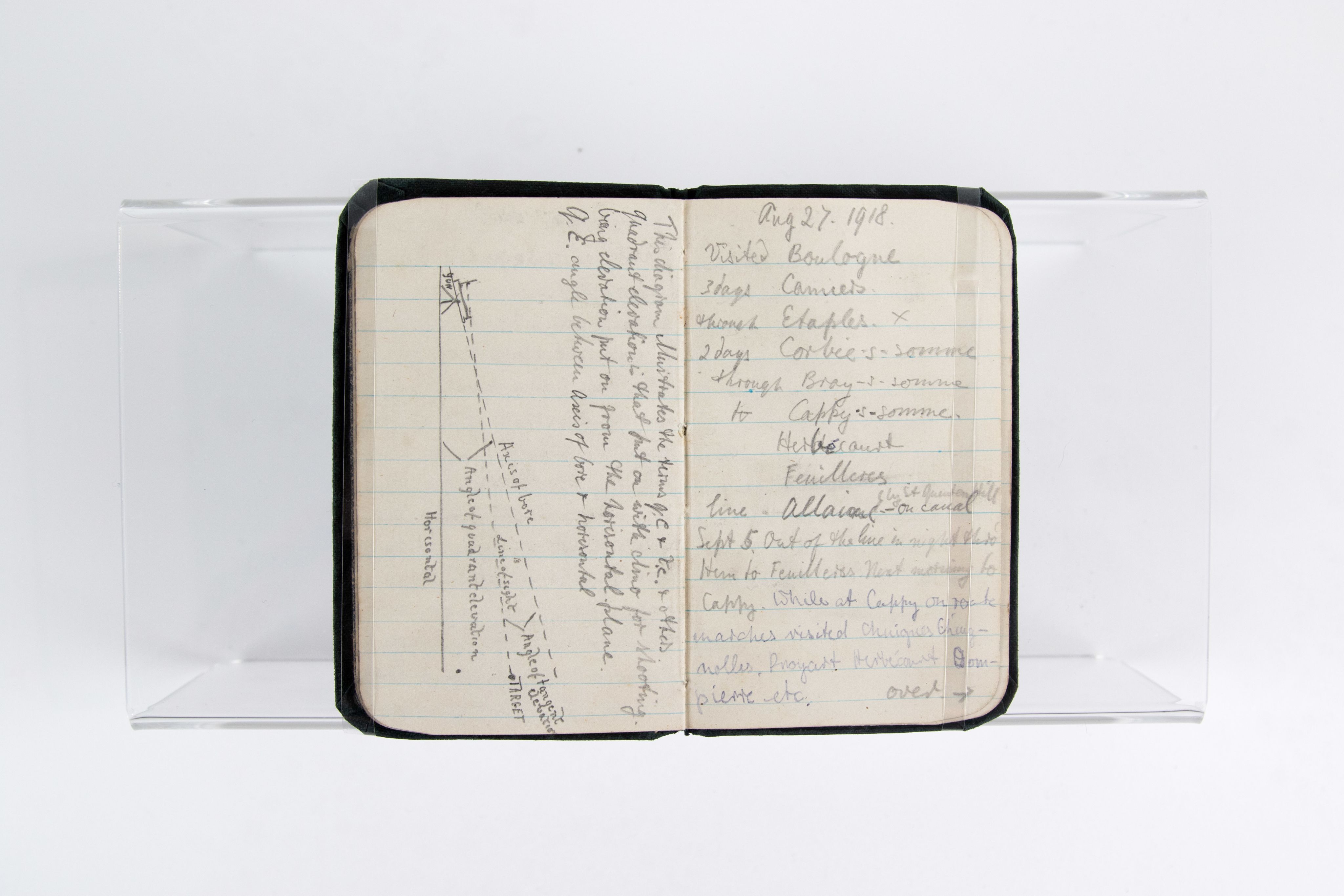
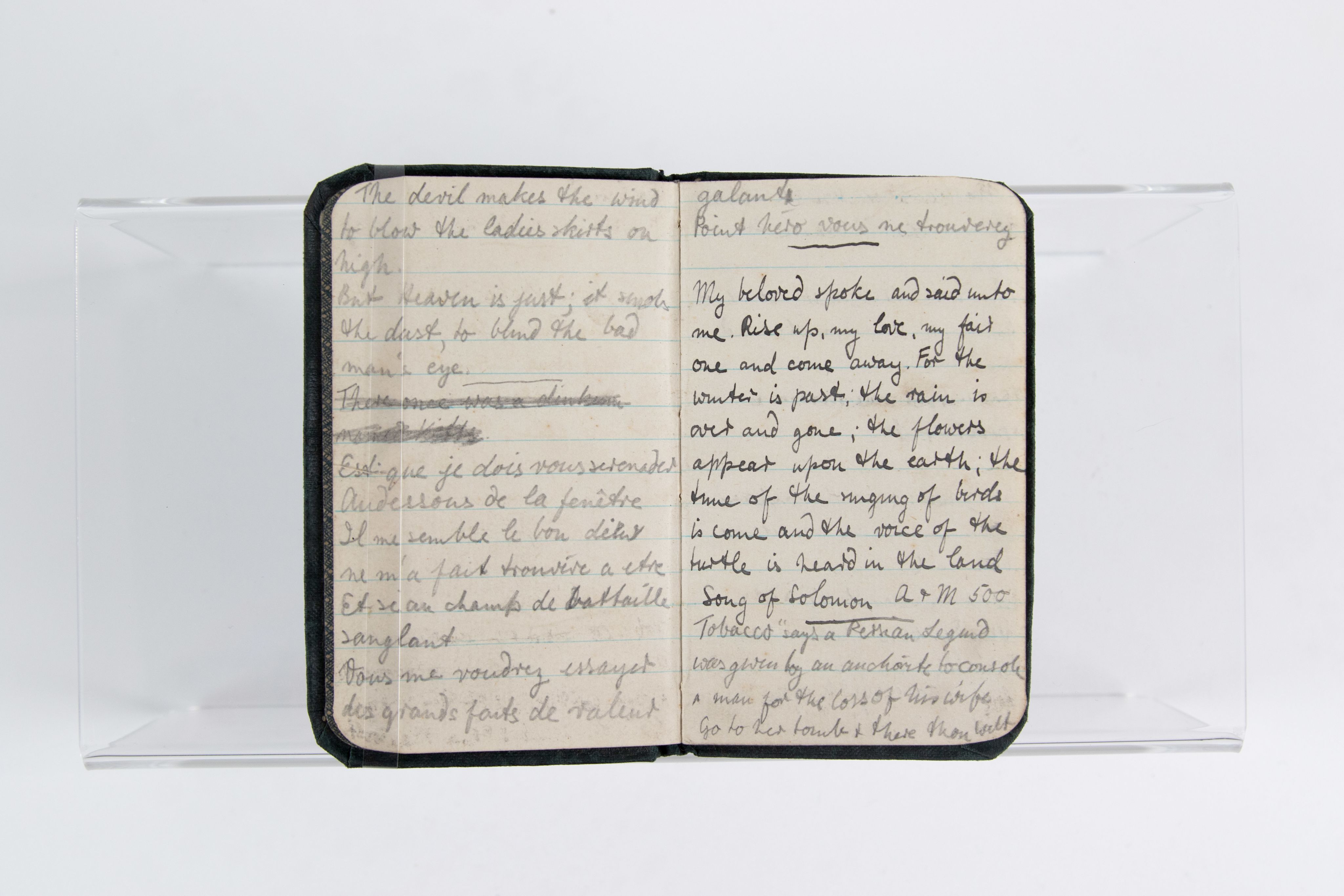
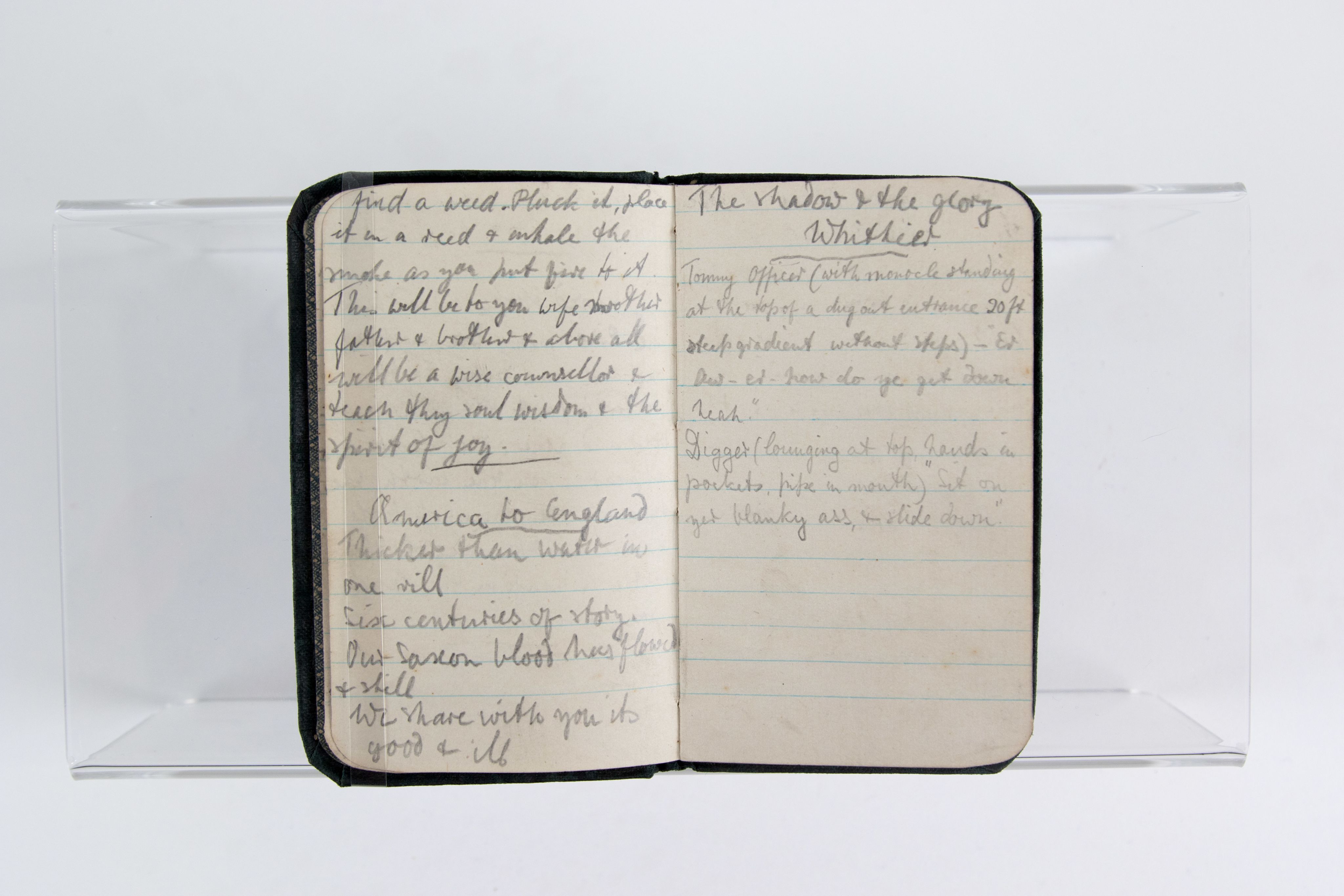
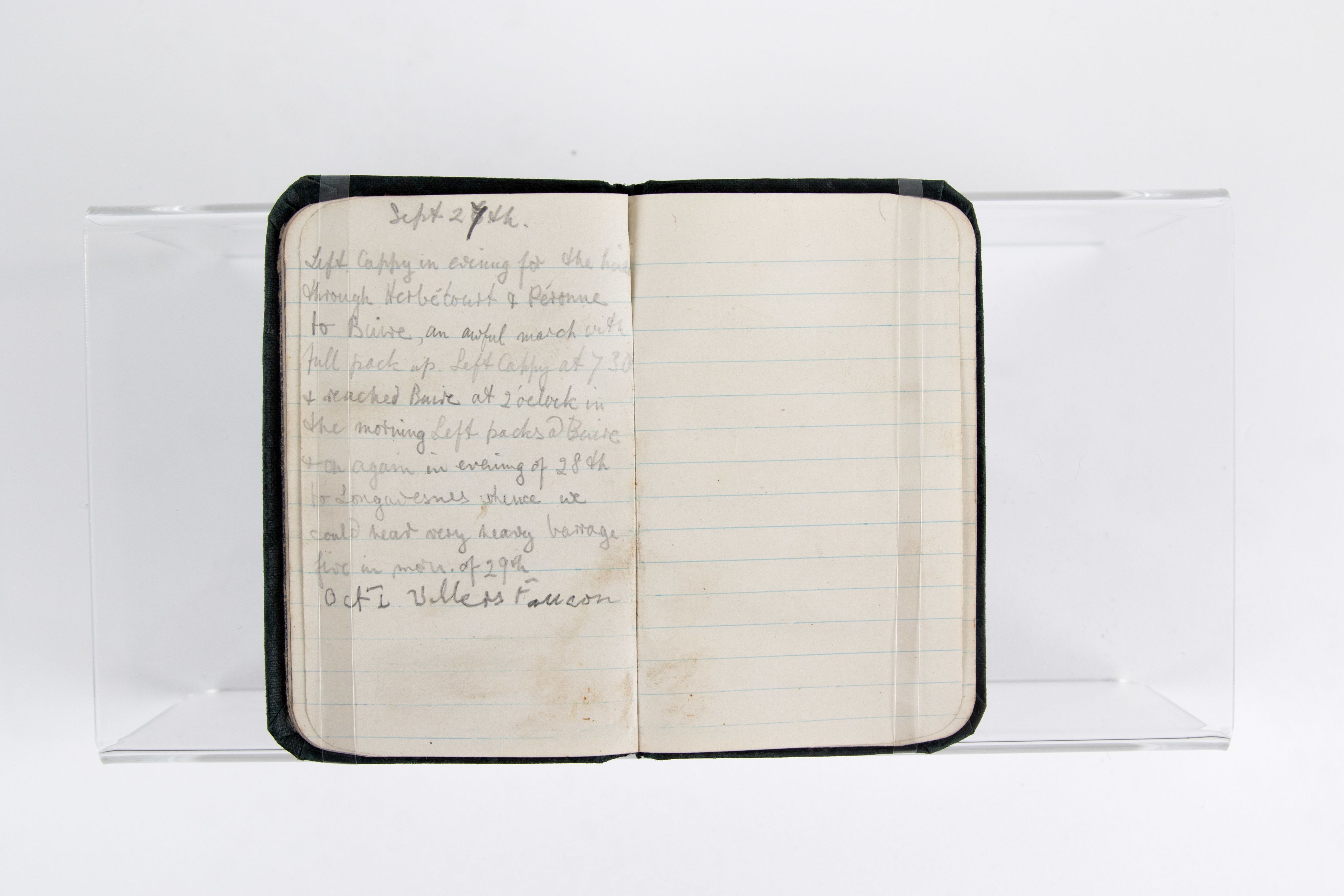
Merlin’s diary contains addresses, notes about how to operate a machine gun, jokes, bible verses and poems he composed. It also includes a summary of the places he visited and stopped during his march to the front.
The last entry is dated October 1.



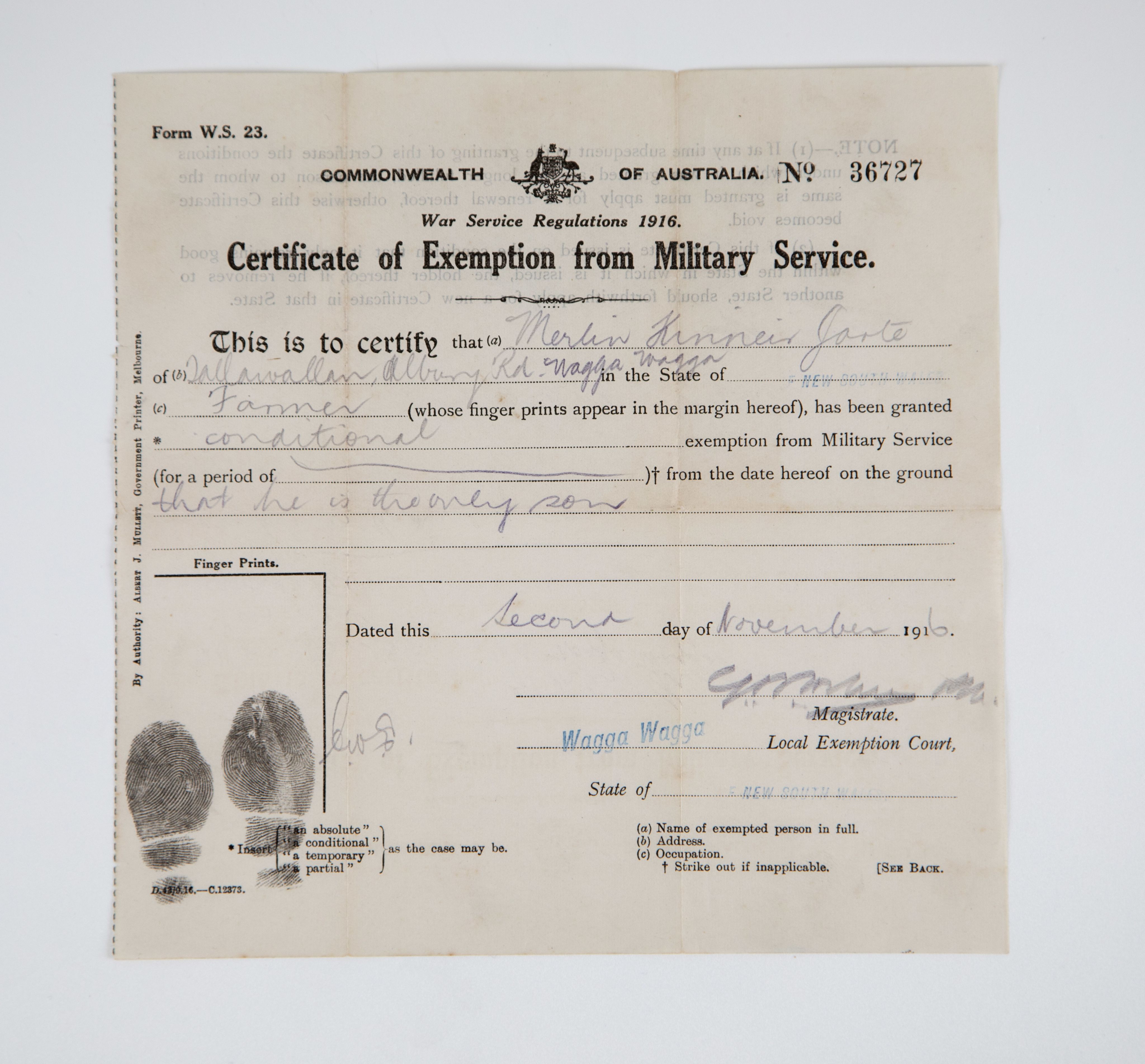
Certificate of Military Exemption
Exemption from military service that was issued to Merlin during the call up for home defence in 1916.
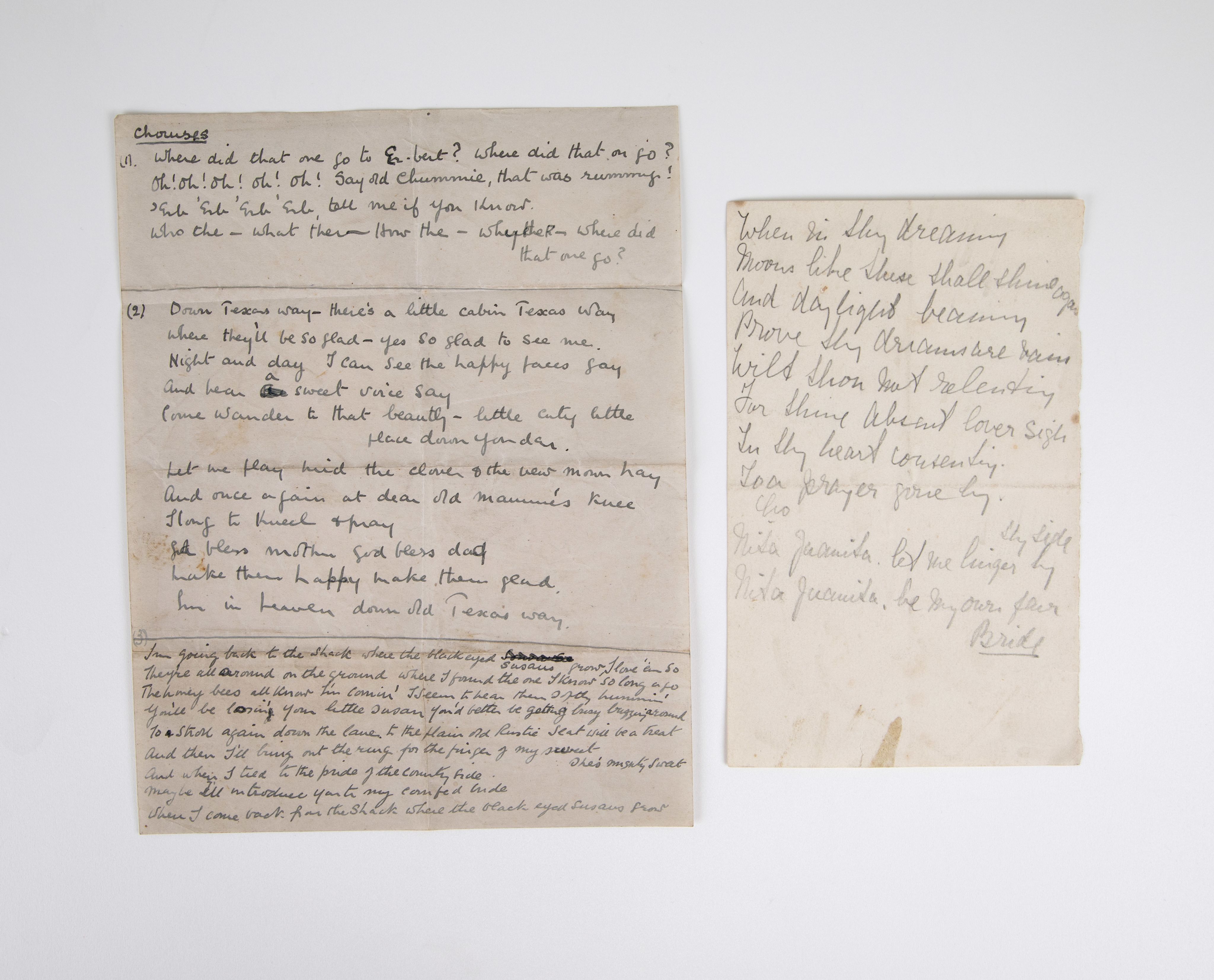
Transcriptions of songs, Down Texas Way and Nita Juanita
Music halls and troop concerts provided entertainment for troops on leave in London. Both these songs were popular in music halls during the war, so it is possible that Merlin heard them while on leave and transcribed them from memory.

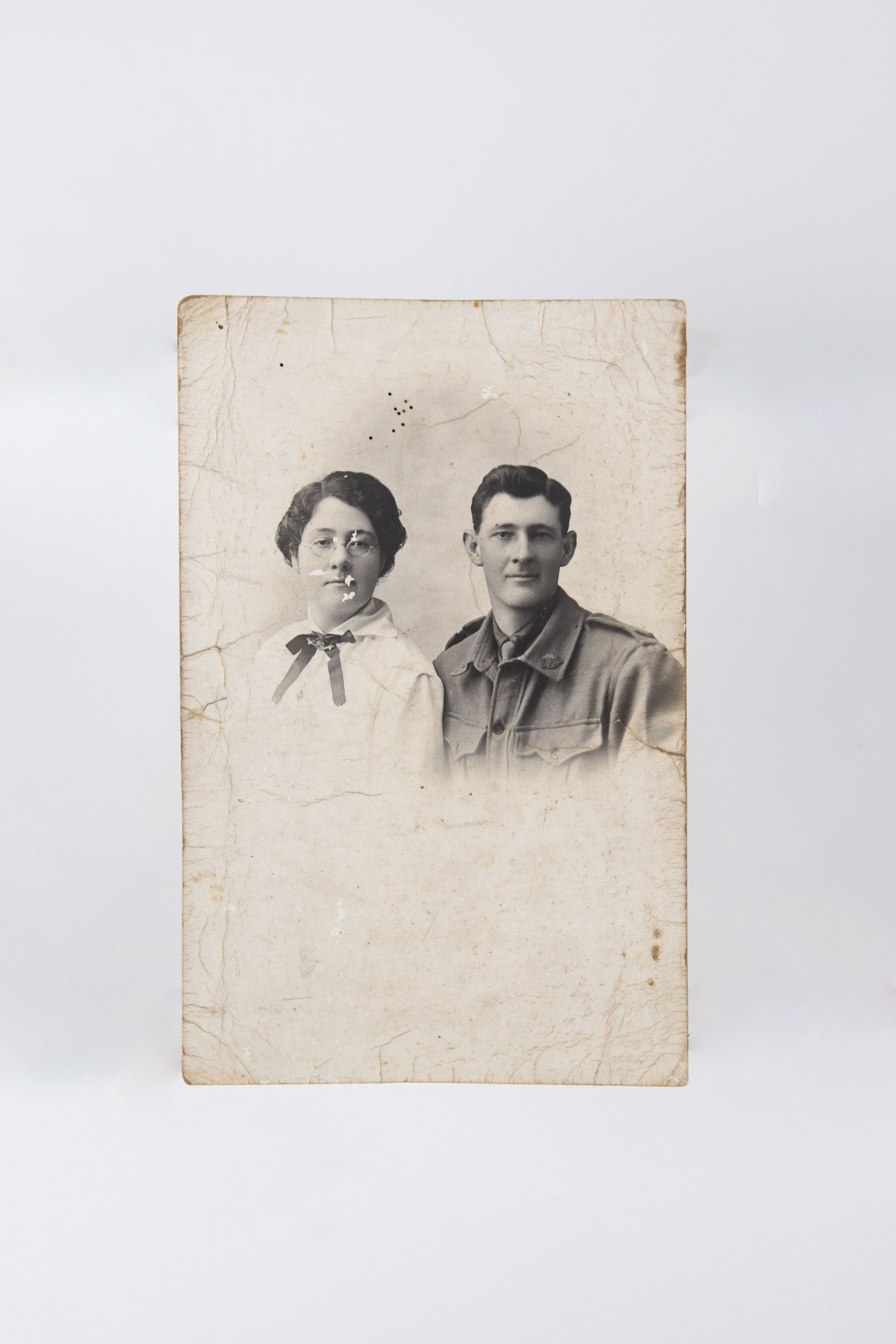
Photograph of Nan and John Macnair
We don’t know the connection between John McNair and Merlin. They were both from this area. John McNair was born in Temora and was living in Drummoyne when he enlisted in 1916. He served with the 8th Battalion and was wounded at Amiens in August 1918. He was in a training camp when the war ended.
He returned to Australia in 1919.
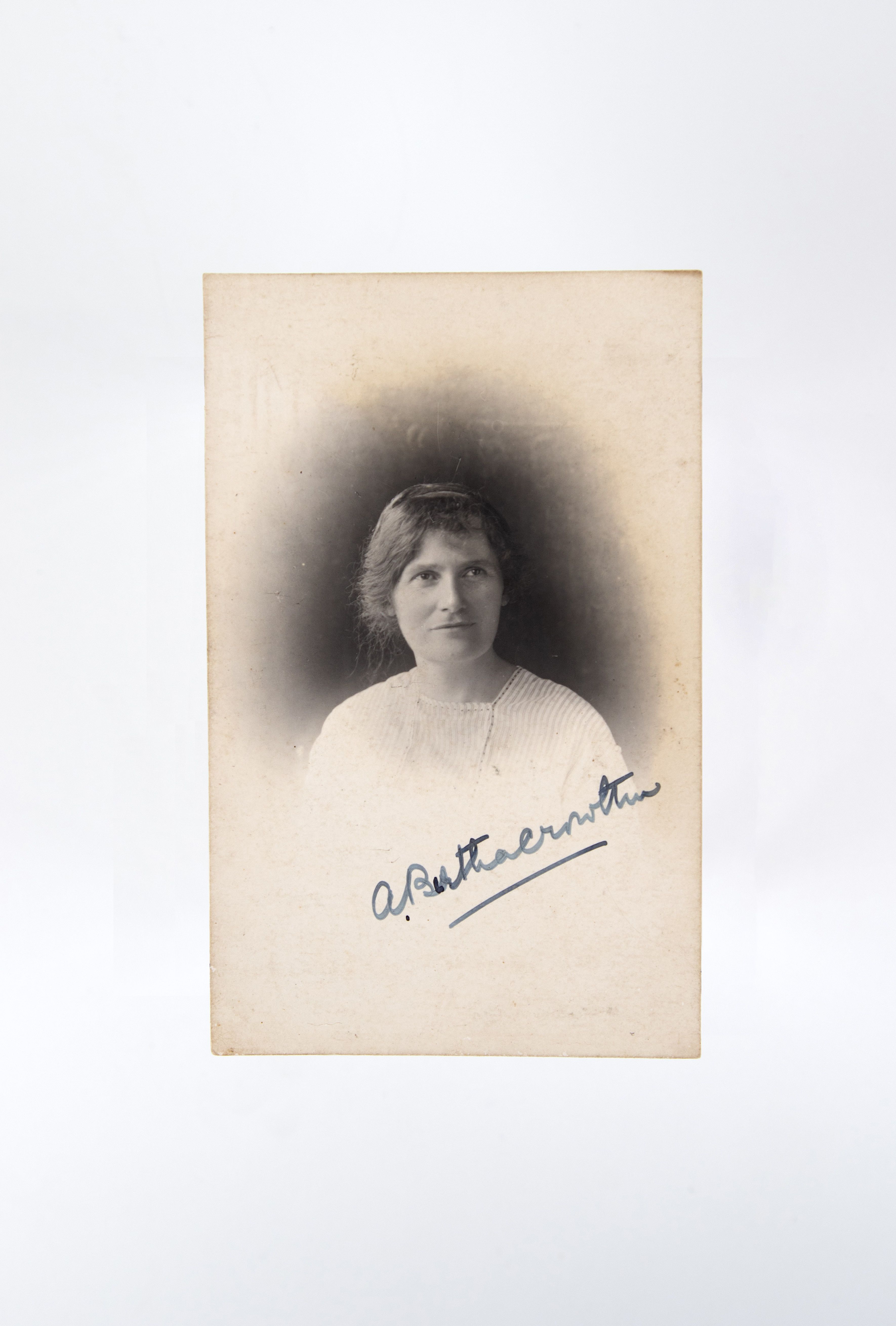
Photo of unknown woman

Letters
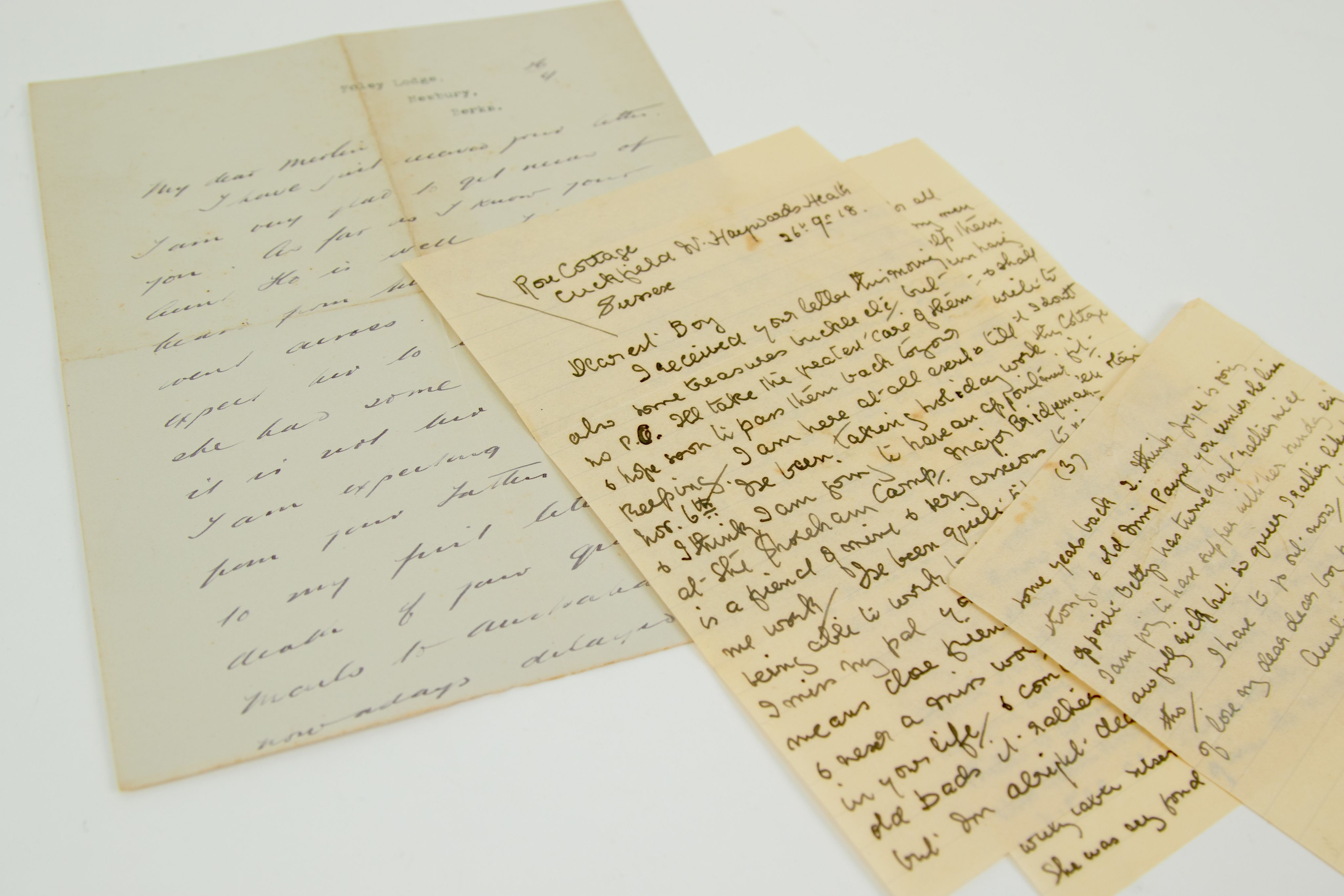
Letters from family and friends to soldiers at the front were essential to staying in touch and helping with morale.
Each country ran its own postal service. During the war, the British postal service delivered an estimated 2 billion letters. Between Britain and the Front, mail passed quickly – usually within two days. Mail from Australia was much less frequent.
Envelopes were addressed with the name, number and regiment of the soldier. All letters to Australian troops went to the Base Post Office in London. Because of the time it took for mail to travel from Australia to England, many soldiers had been transferred to a new unit, were in hospital, or had died. Soldier’s names were checked against a card index system based on the nominal roll, and mail was sorted and redirected.
Over half of all Australian mail had to be redirected once it arrived in London, and shipments commonly had 500,000 letters or parcels to deliver. Postal workers were given the location of the unit a few hours before they set off, to ensure troop movements remained secret.
Letters from home were crucial to maintaining soldier morale. These two letters to Merlin, one from his Aunt Flo and the other from an uncle (whose name we cannot read), exchange family chatter and small items of interest from everyday life.
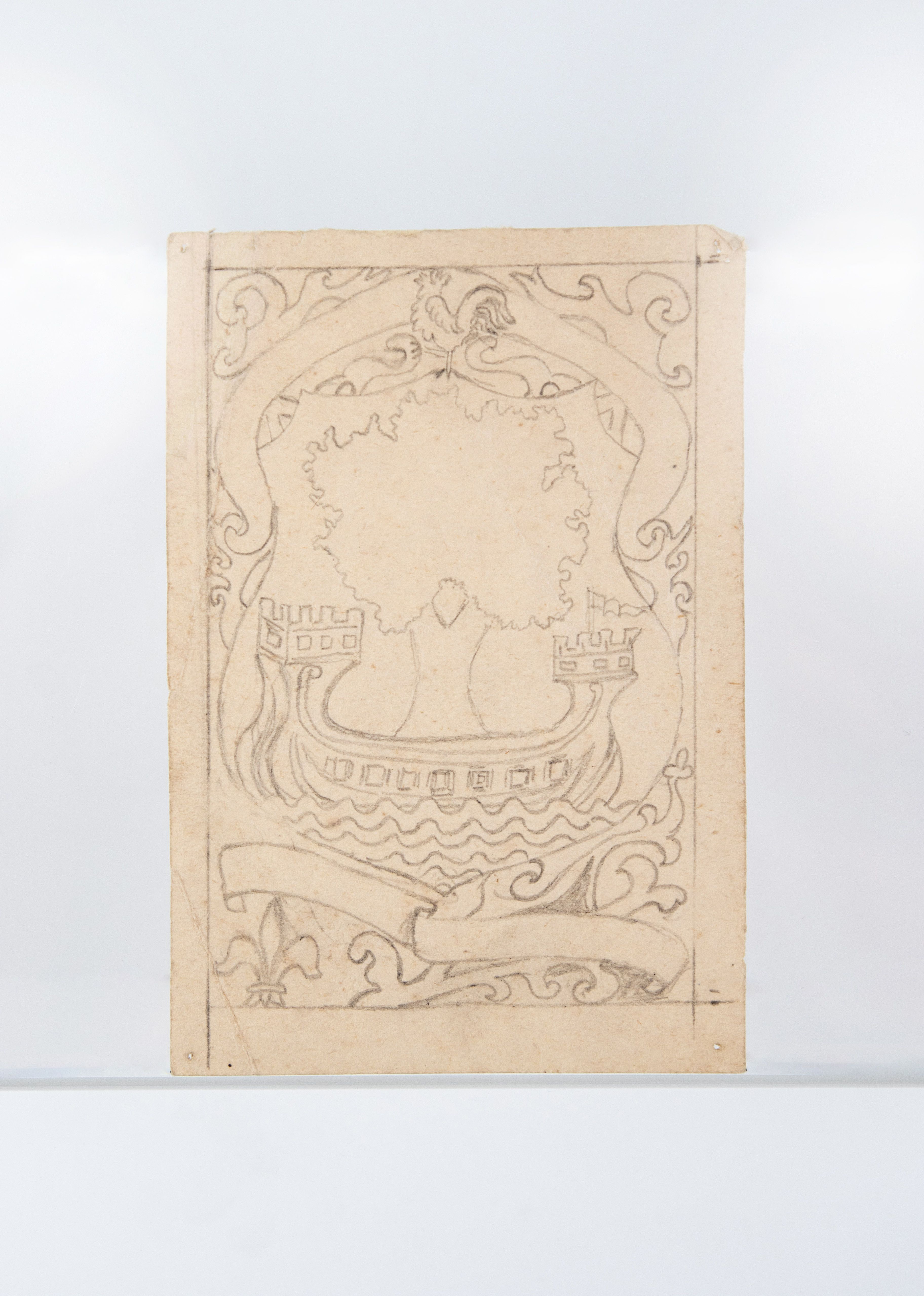
Incomplete drawing of family crest

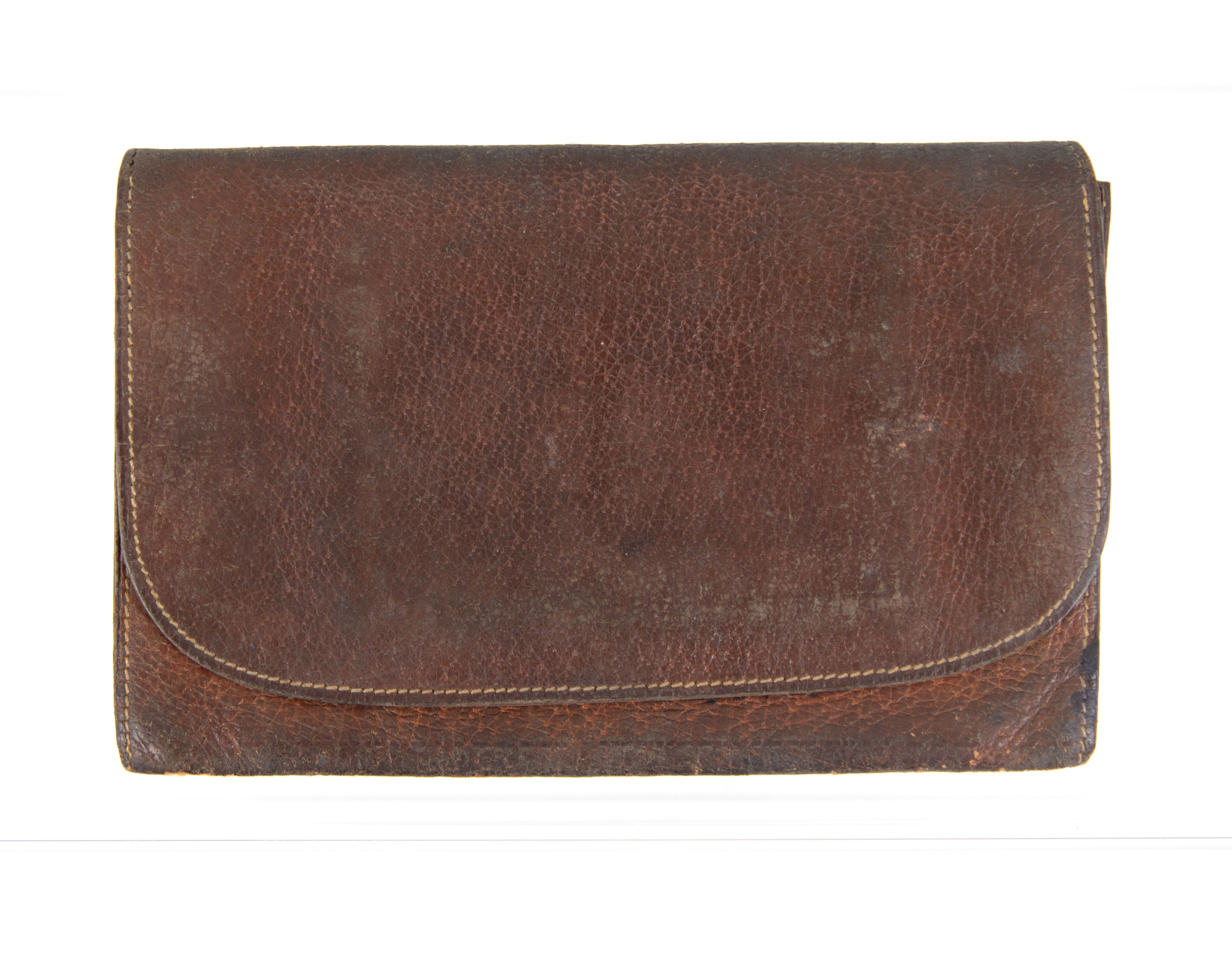
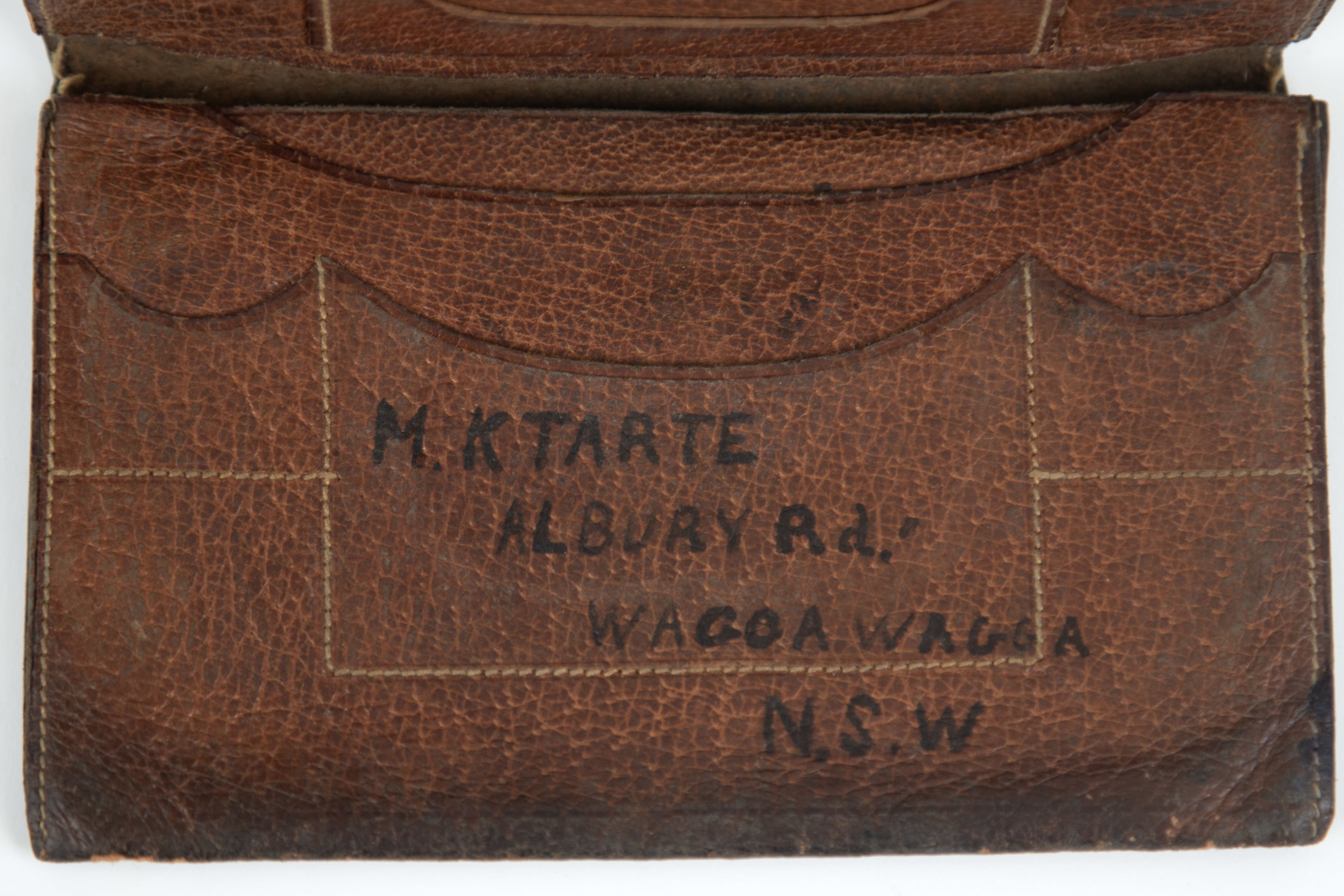
Wallet
Possibly homemade from a pattern or purchased. Merlin’s name and address is written on the inside.


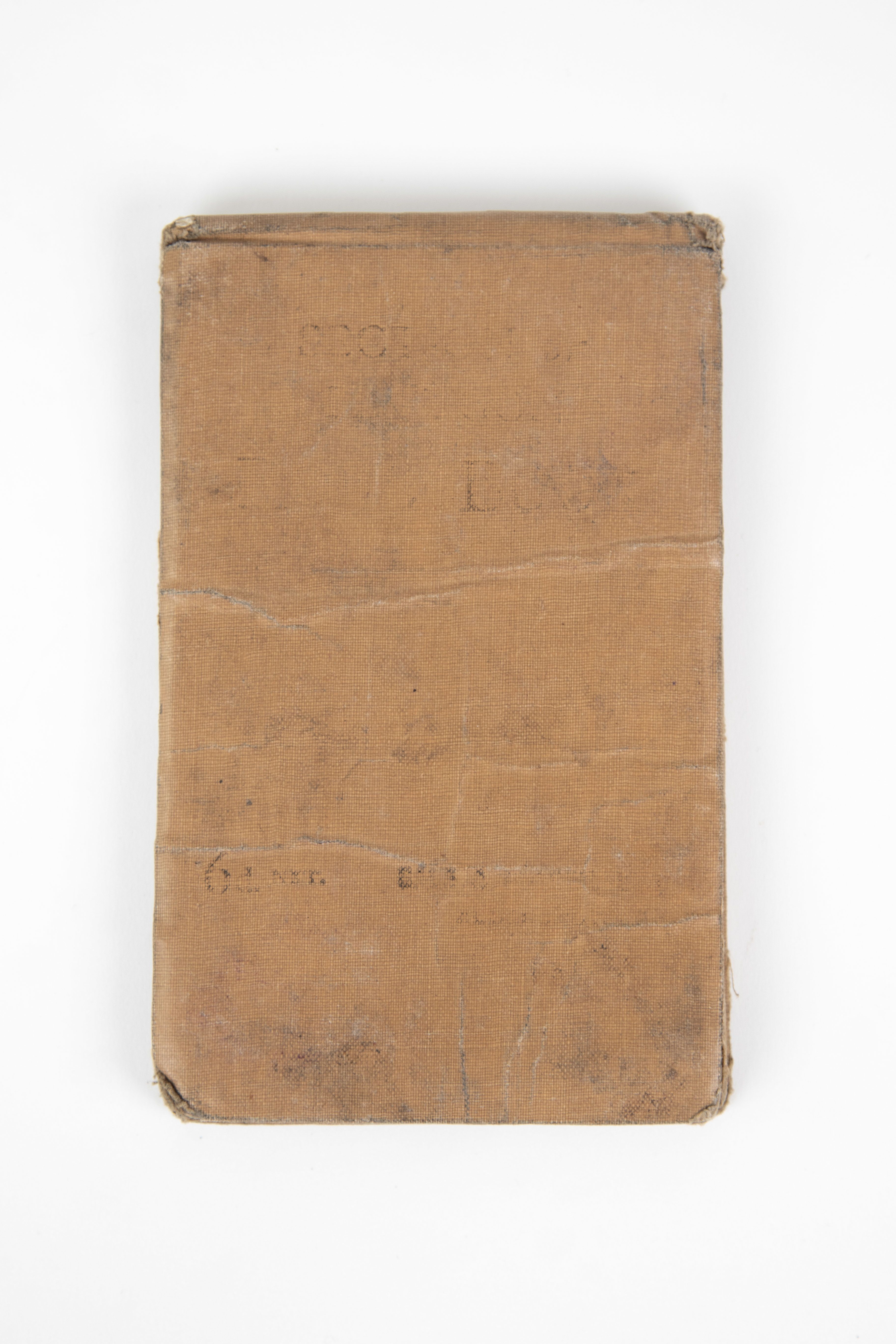
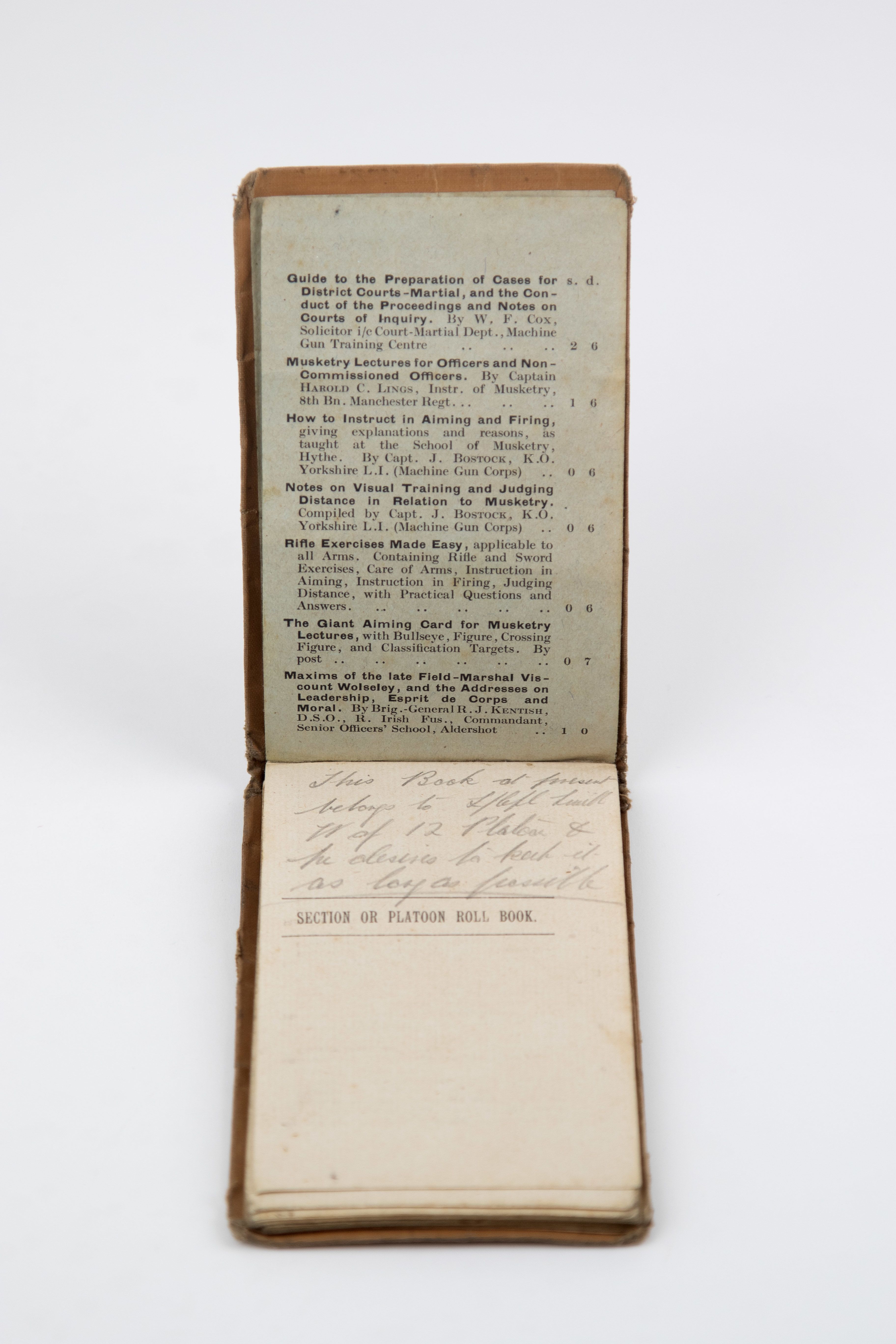
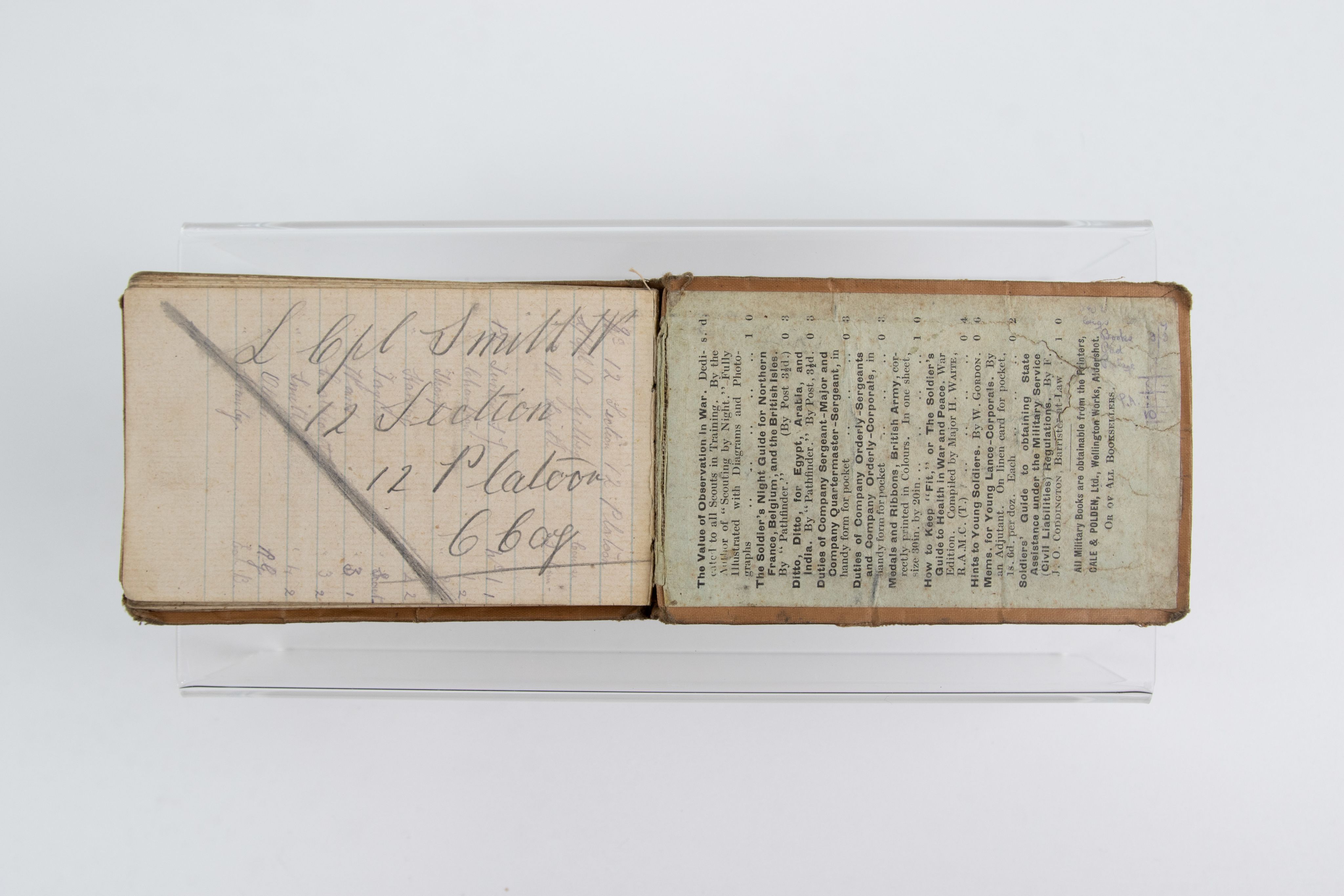
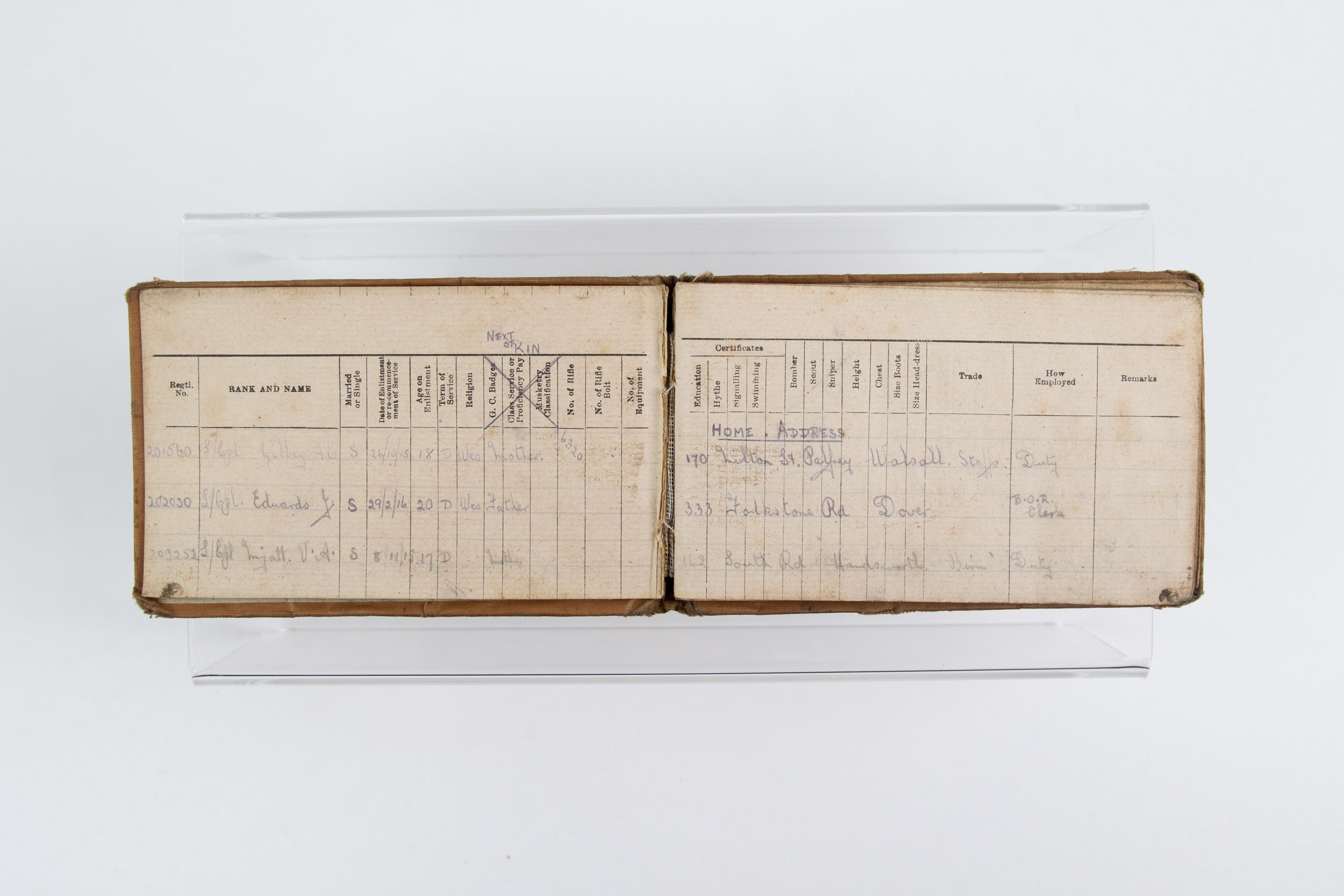
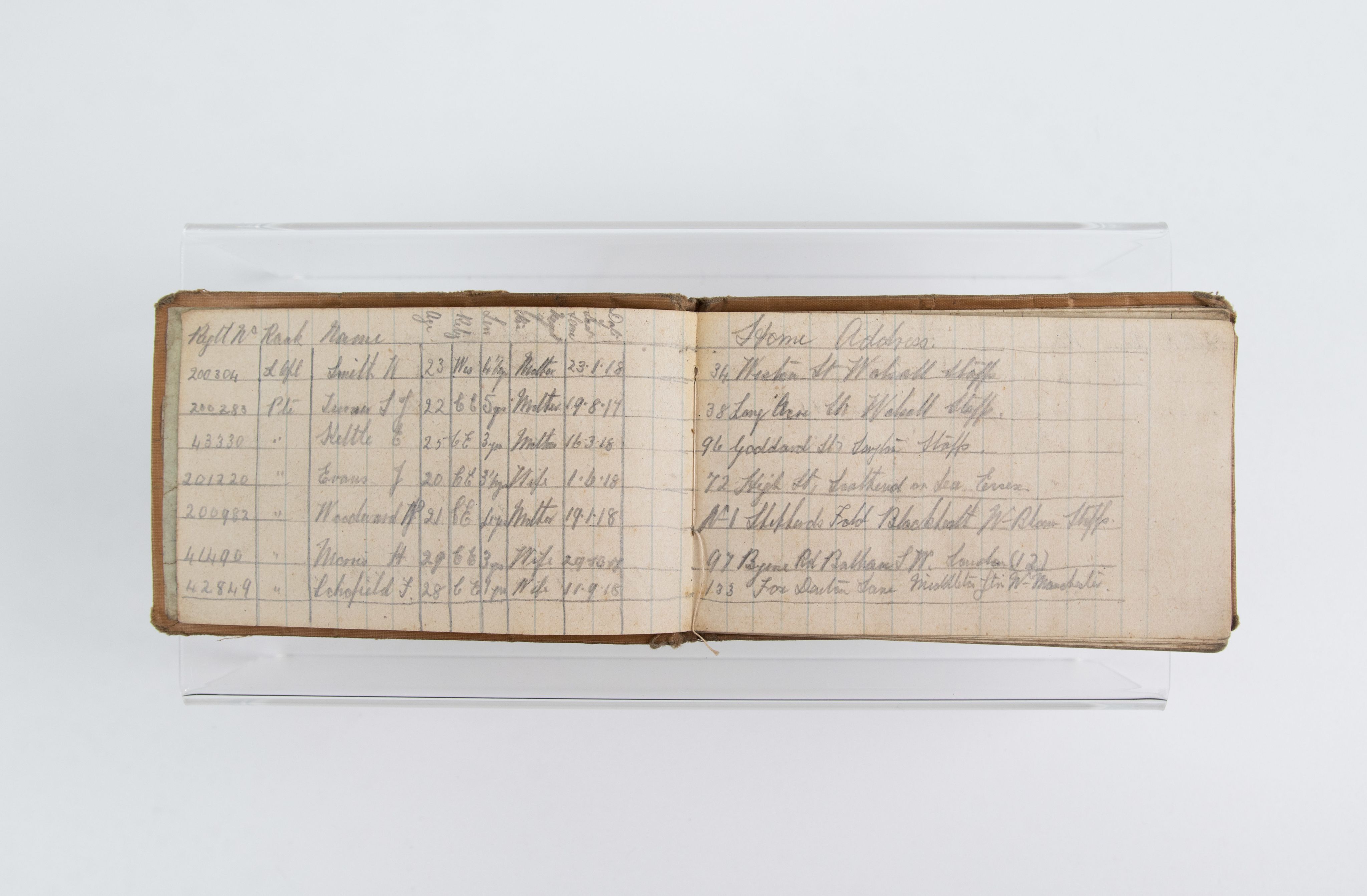
Roll book belonging to Lance Corporal Smith
This roll book confused us for some time, as the information inside relates to the British Army and the names and addresses listed are all in England. A note inside reads: “This book at present belongs to L/Cpl Smith of 12 platoon and he desires to keep it as long as possible.”
After some research, we discovered Lance Corporal William Smith served with the South Staffordshire regiment. He was injured during the battle of St Quinten’s Canal and was evacuated to the 50th Casualty Clearing Station—the same field hospital as Merlin. Smith died on 4 October, aged 23. He is also buried at Tincourt New British Cemetery.
It is possible that William Smith’s roll call book was accidently grouped with Merlin’s possessions and sent to Australia, or there may have been some exchange between the men where Smith passed this to Merlin.





Poems written by Merlin
Many soldiers read and wrote poetry. It helped them to remember a world and life away from the hellscape they lived in. It allowed them to process the war by turning it into a literary experience that followed rules of rhythm, rhyme, and pacing. Amid the chaos and uncertainty of the war, poetry provided a connection to a different type of life.
Poetry was studied and taught in schools, so even those who were not committed writers like Merlin had a good understanding and appreciation of it as an art. There is a lot of good poetry that was written during the war by regular soldiers. Poetry was published in troopship serials, in magazines written for soldiers and was read to groups in the evenings.
Merlin's poetry reflects on lost companions, his mortality, the afterlife, and his love.

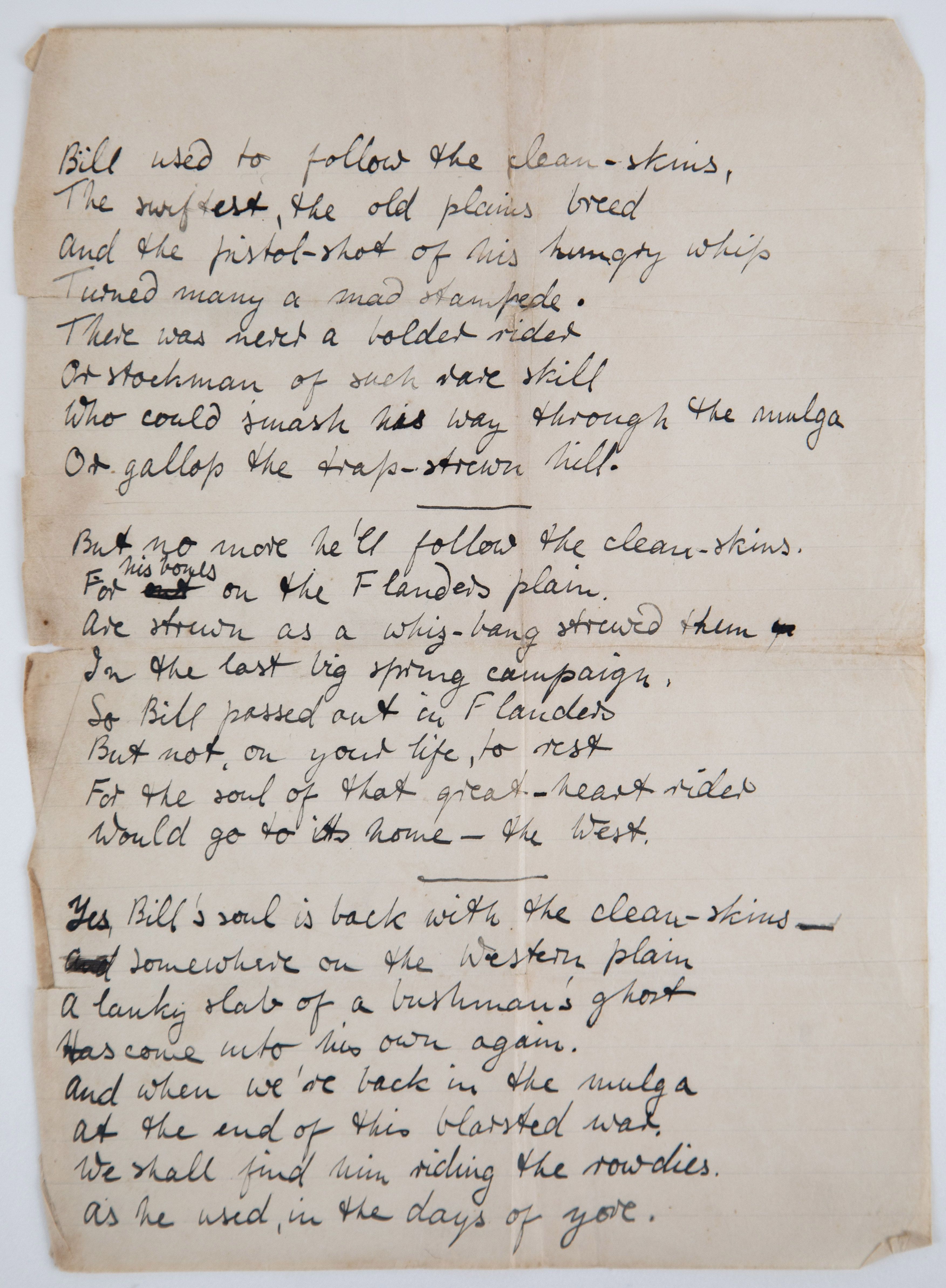
Untitled Poem [Bill]
Bill used to follow the clean-skins,
The swiftest, the old plains breed
And the pistol-shot of his hungry whip
Turned many a mad stampede.
There was never a bolder rider
Or stockman of such rare skill
Who could smash his way through the mulga
Or gallop the trap-strewn hill.
---
But no more he’ll follow the clean-skins
For his bones on the Flanders plain
Are strewn as a whiz-bang strewed them
In the last big spring campaign.
So Bill passed out in Flanders
But not, on your life, to rest
For the soul of that of that great-heart rider
Would go to its home—the West.
---
Yes, Bill’s soul is back with the clean-skins
Somewhere on the Western plain
A lanky slab of a bushman’s ghost
Has come into his own again.
And when we’re back in the mulga
At the end of this blarsted war
We shall find him riding the rowdies
As he used, in the days of yore.

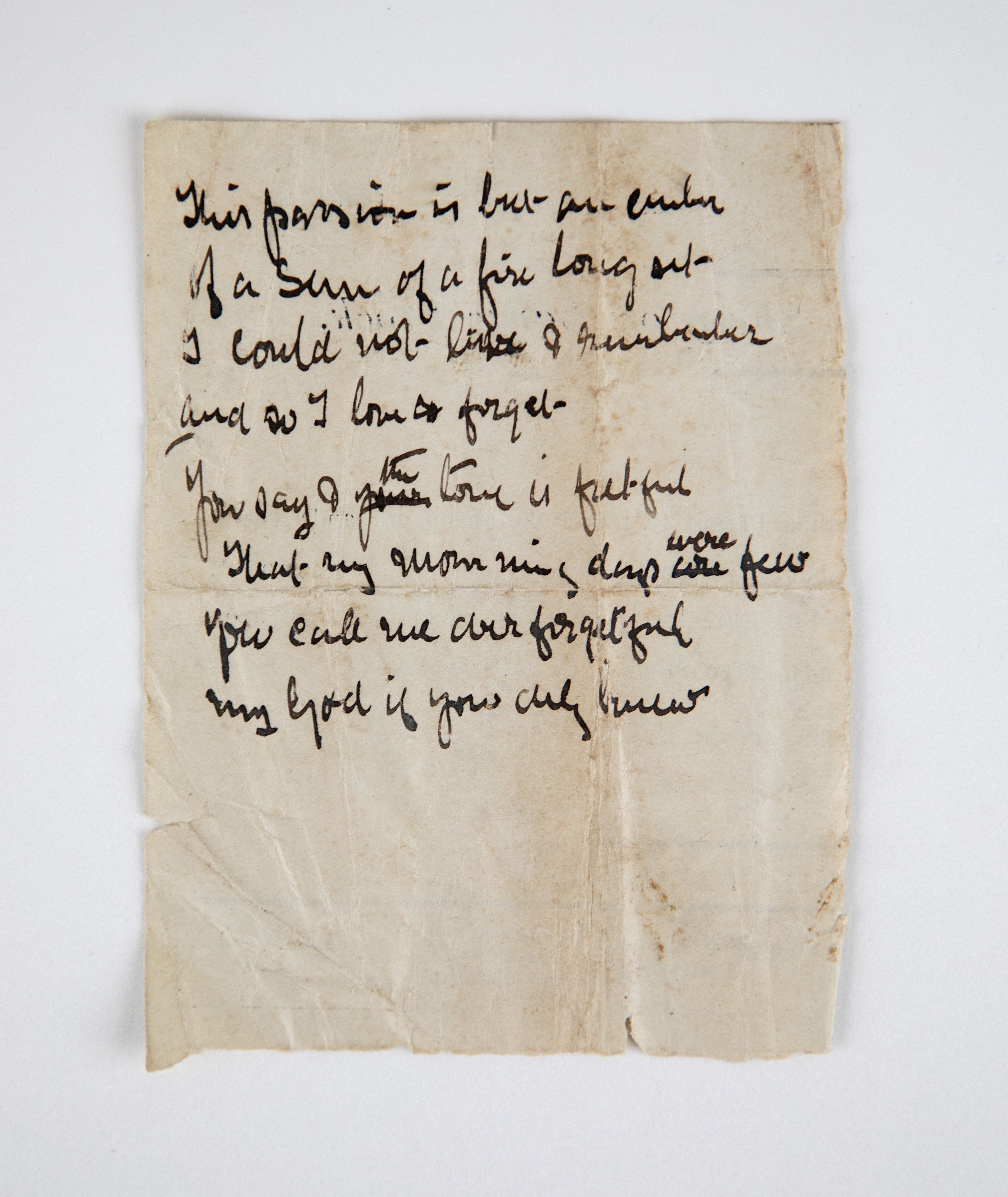
Untitled poem [This Passion]
This passion is but an ember
Of a sun of a fire long set
I could not live to remember
And so I live to forget
You say to them love is fitful
That my mourning days were few
You call me dear forgetful
My God if you only knew

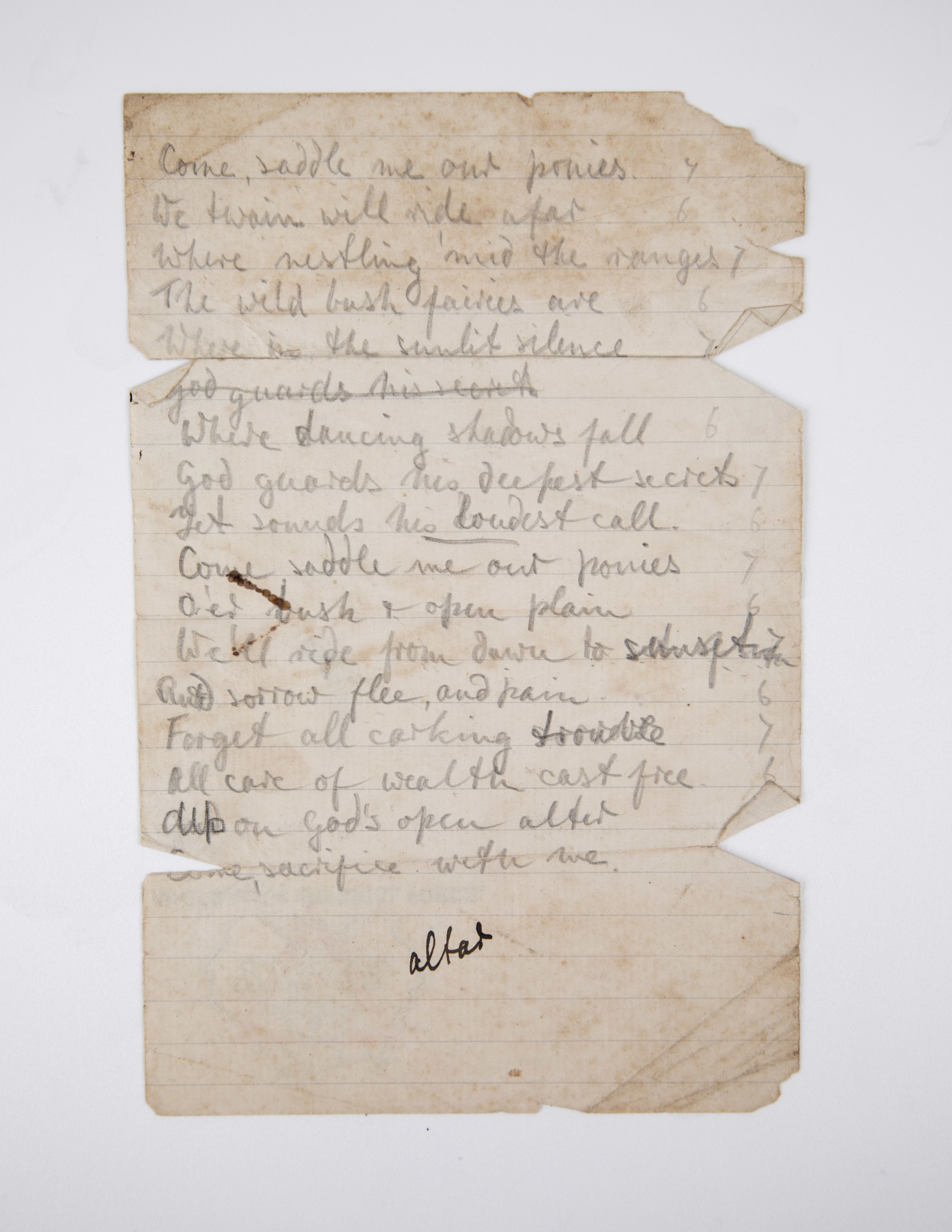
Untitled poem [Come Saddle me our Ponies]
Come, saddle me our ponies
We twain, will ride afar
Where rustling in the ranges
The wild bush fairies are
Where in the sunlit silence
While dancing shadows fall
God guards his deepest secrets
Yet sounds his loudest call.
Come saddle me our ponies
O’er bush and open plain
We’ll ride from dawn to sunset
And sorrow flee, and pain.
Forget all carking trouble
All care of wealth cast free
Upon God’s open alter
Come, sacrifice with me.
Note the numbers that show Merlin was being careful to follow a set couplet rhythm alternating between 6 and 7 syllables.

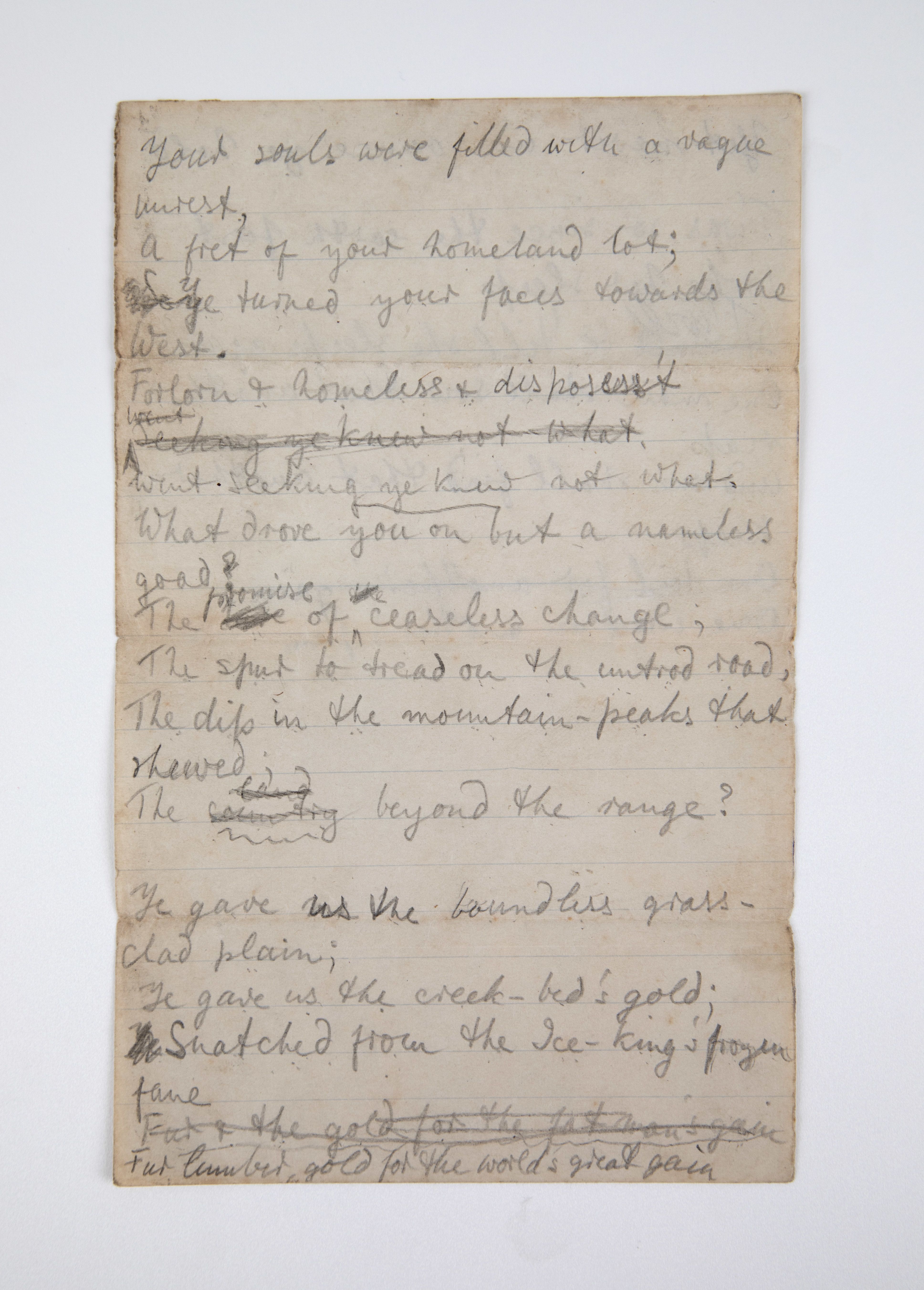
Untitled Poem [Your Souls]
Your souls were filled with a vague interest
A fret of your homeland lot;
So ye turned your faces towards the West.
Forlorn & homeless & dispossess’t
& went seeking ye know not what.
What drove you on but a nameless good?
The promise of ceaseless change;
The spur to tread on the untrod road,
The dip in the mountain peaks that shewed;
The country beyond the range?
Ye gave us the boundless grass-clad plain;
Ye gave us the creek bed’s gold;
Snatched from the Ice-kings frozen fame
Fur, timber, gold for the world’s great gain
Yet never an ounce ye hold
T’was so since the earth first broke her sleep
T’will be ‘till she sleeps again
One man shall sow that another reap
And one shall find that another keep
One war on another’s pain.
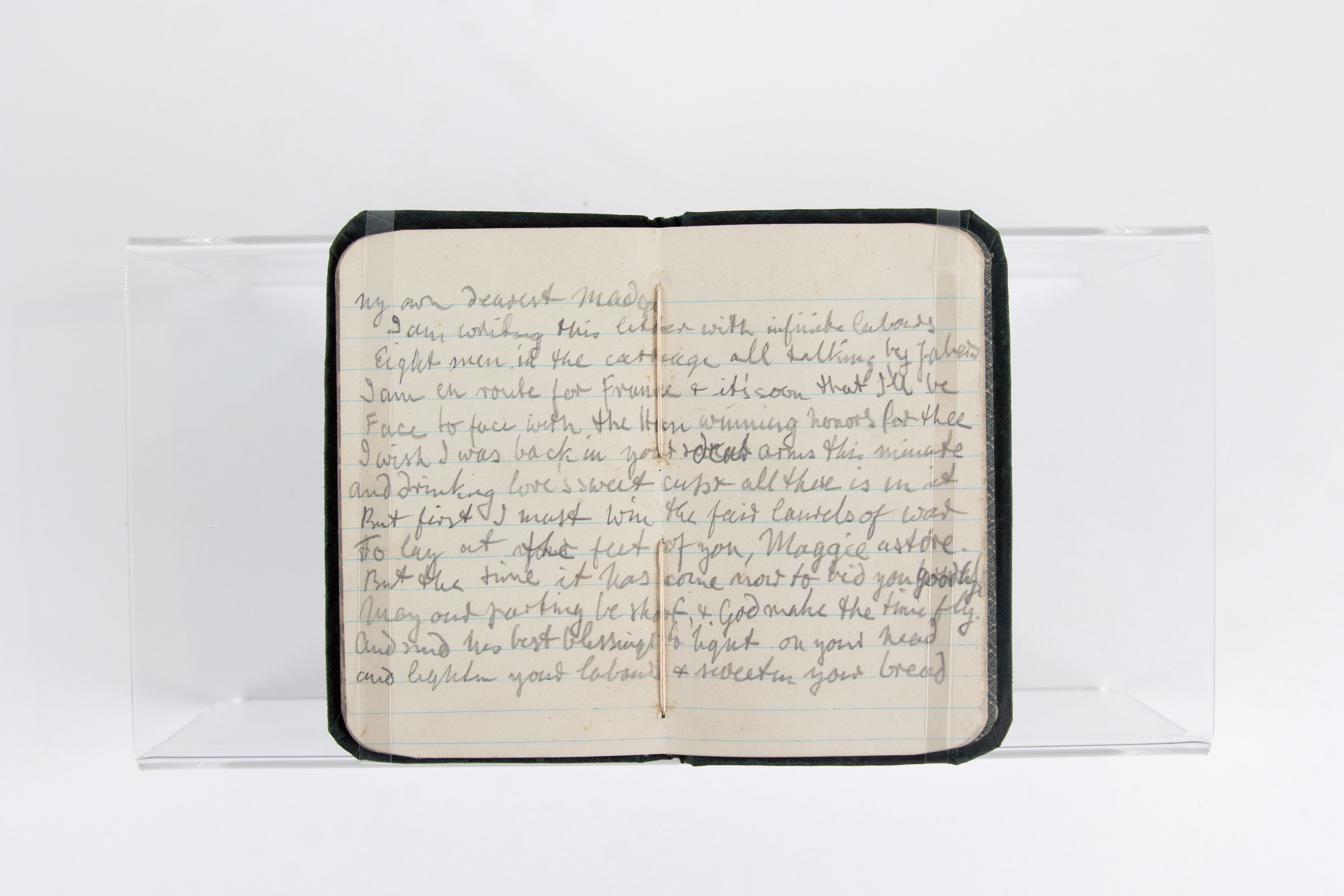
Poem - My own dearest Madge
I am writing this letter with infinite labours
Eight men in a carriage all talking by tabers
I am en route for France & it’s soon that I’ll be
Face to face with the Hun winning honors for thee
I wish I was back in your dear arms this minute
And drinking loves sweet cup & all there is in it
But first I must win the fair laurels of war
To lay at the feet of you, Maggie astore
But the time it has come now to bid you goodbye
May our parting be short & God make the time fly
And send his best blessings to light on your head
And lighten your labours and sweeten your bread
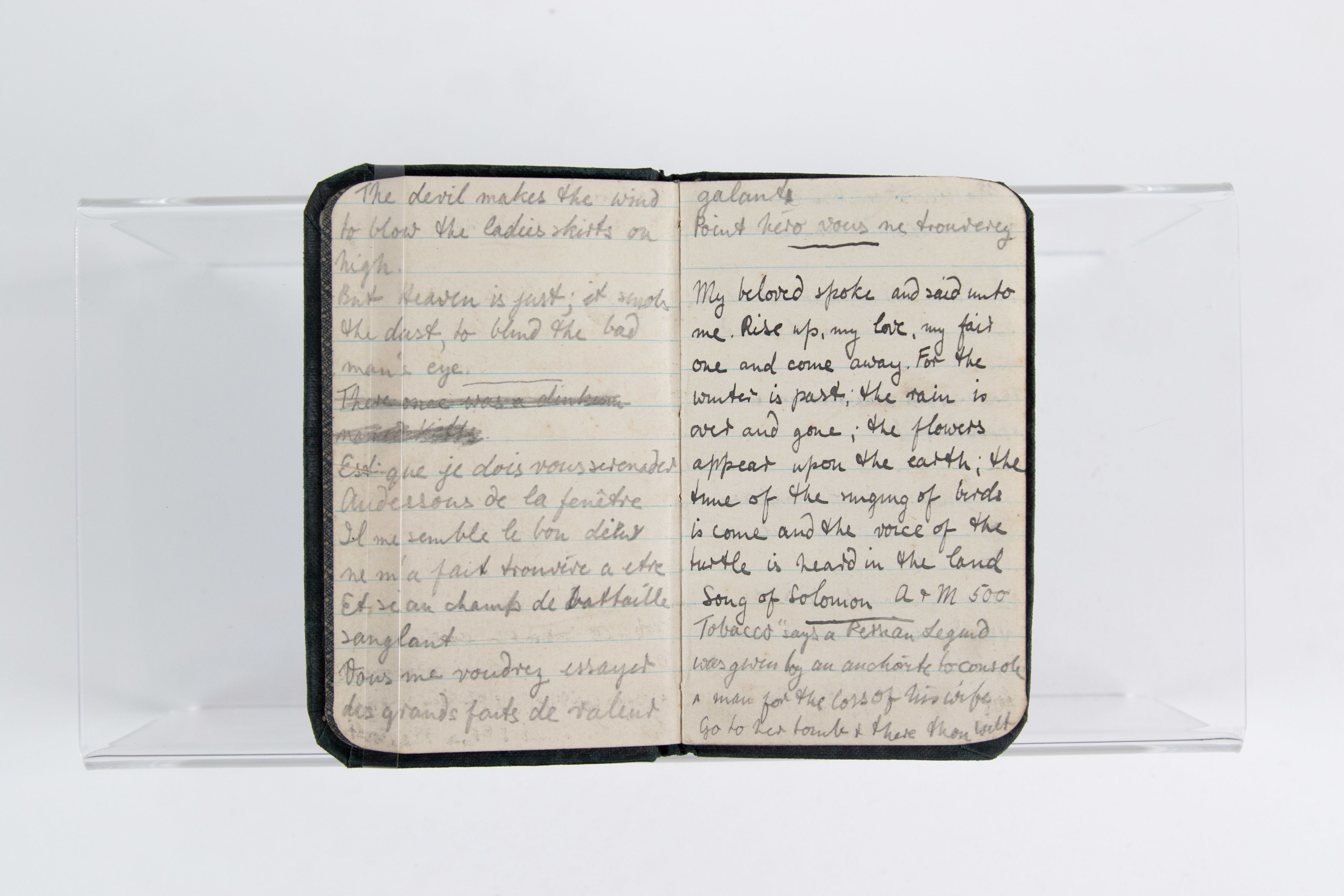
Poem [Est que je dois vous serenader]
(translated from French by Alliance Francais Wagga Wagga)
Est que je dois vous serenader
Au dessous de la fenetre
Il me semble le bon debut
Ne m’a fait trouvire a etre
Et si au champ de battaille sanglant
Vous me voudrez essayer
Des grands faits de valeur gallants
Point hero vous ne trouverez
Must I serenade you
Beneath your window?
It seems a fitting beginning,
If I were not to be here
And if, on the blood-soaked field,
You ask me to prove my worth -
to perform great and
gallant deeds -
no hero will you find in me.

 Built with Shorthand